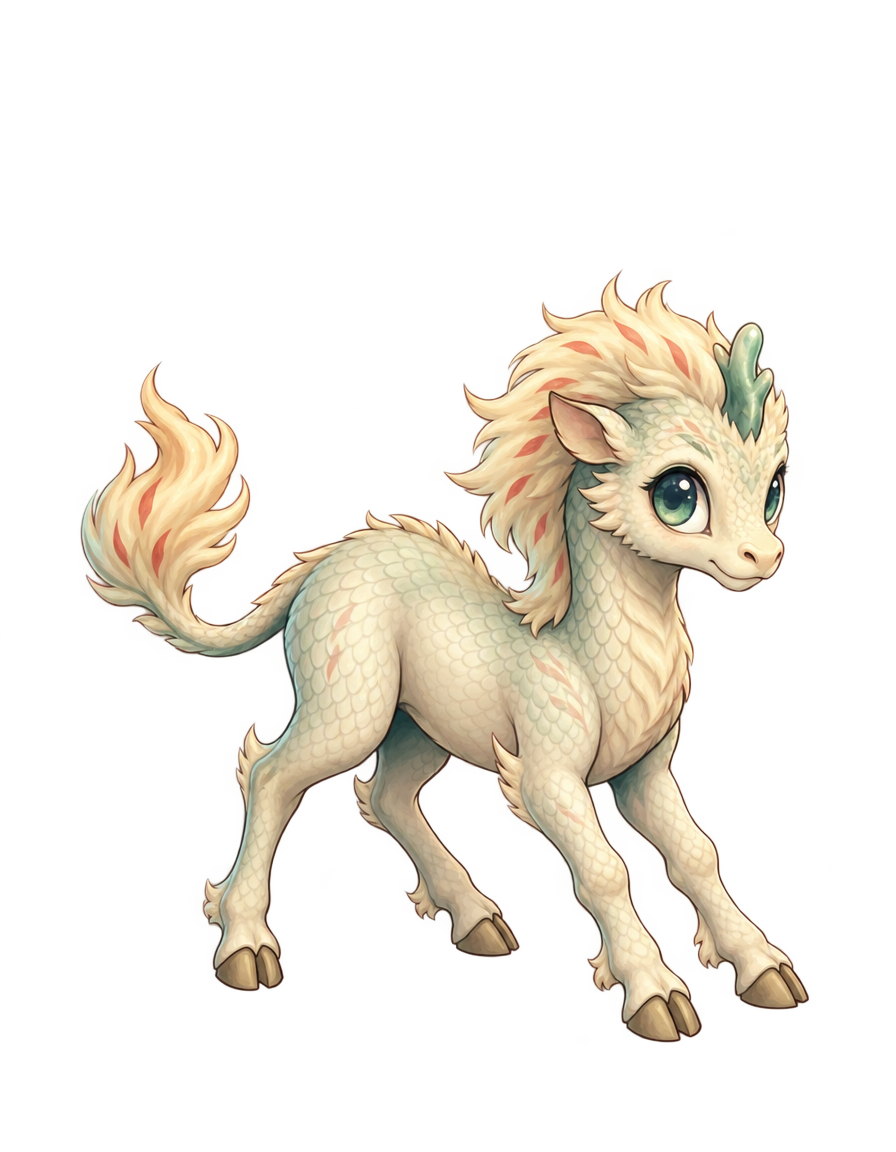
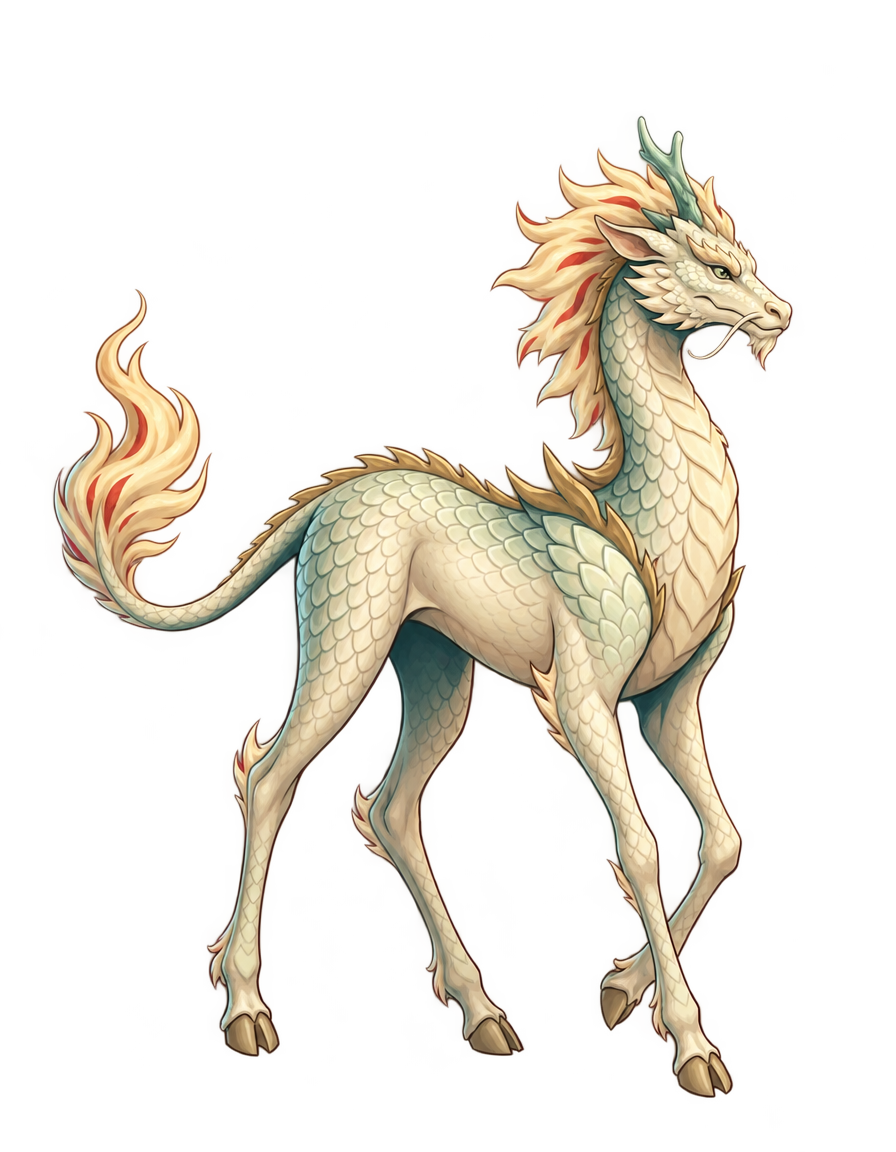
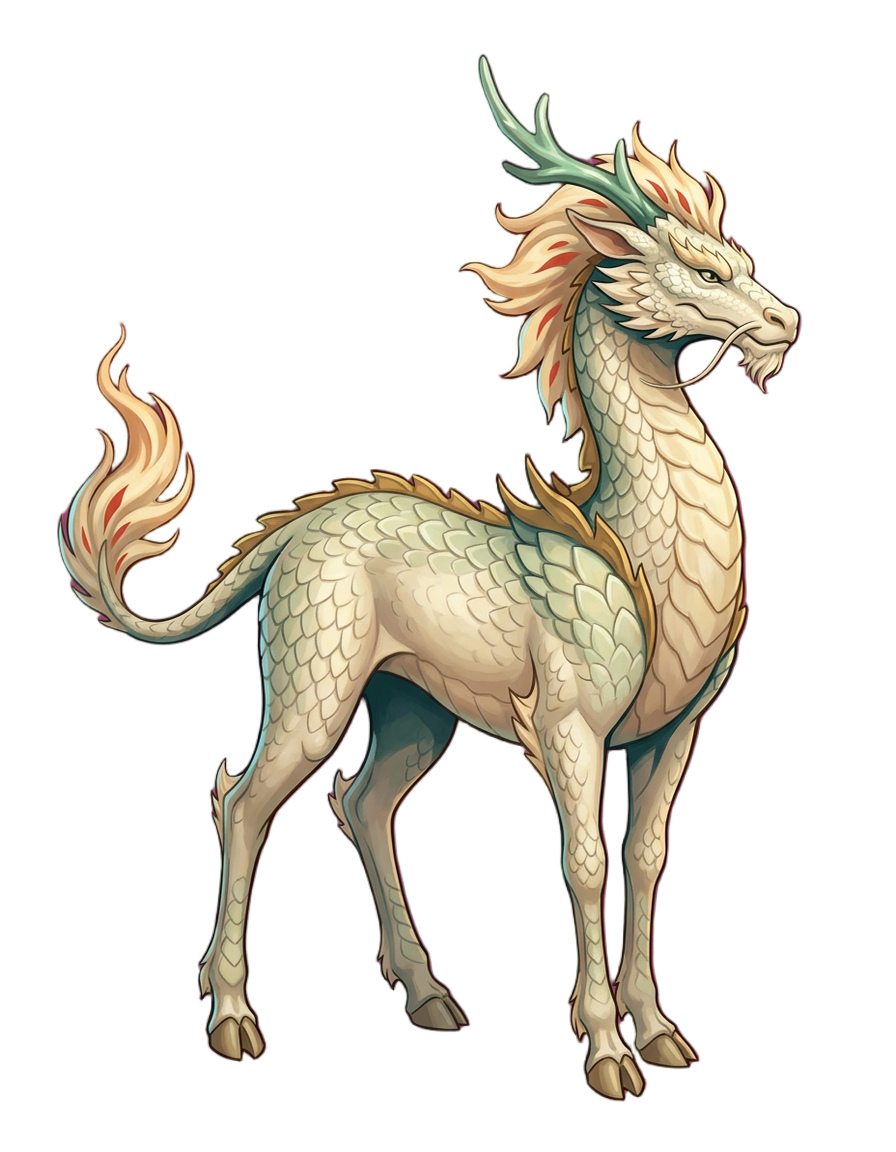
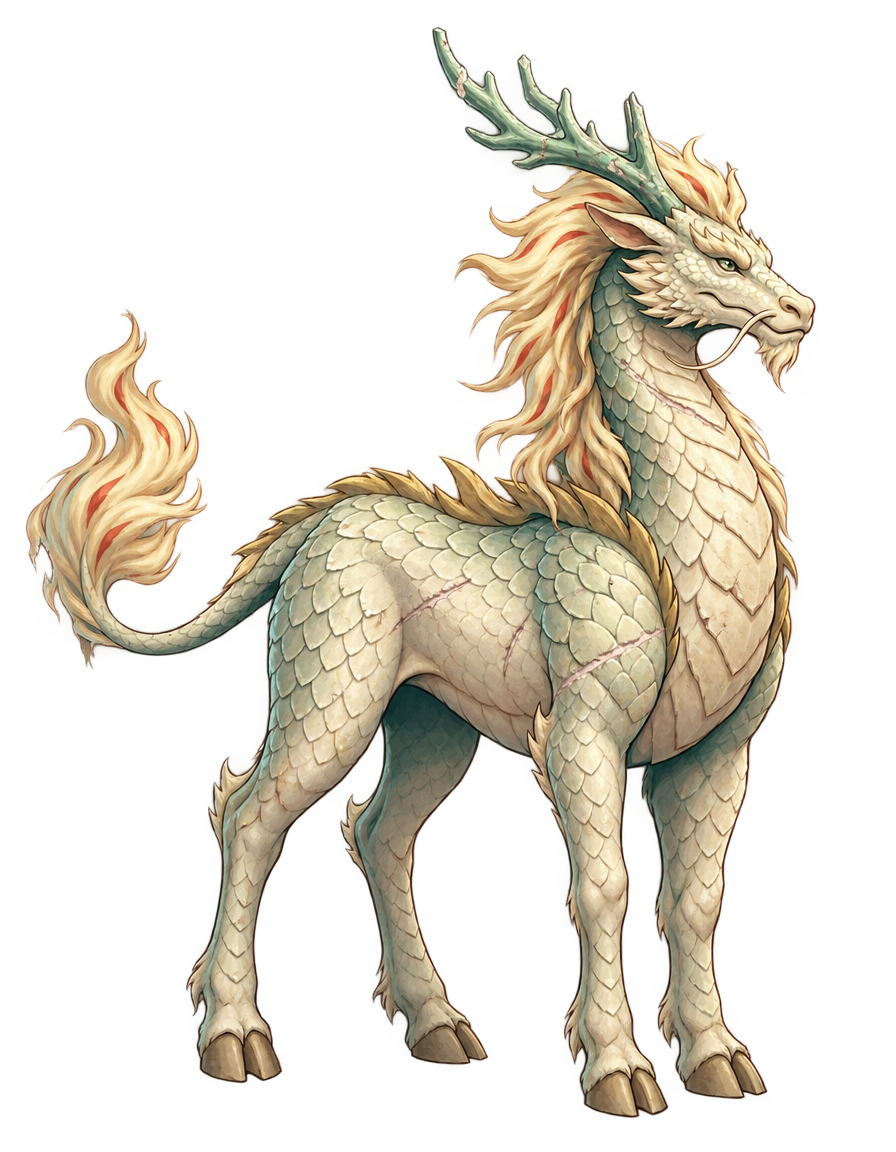
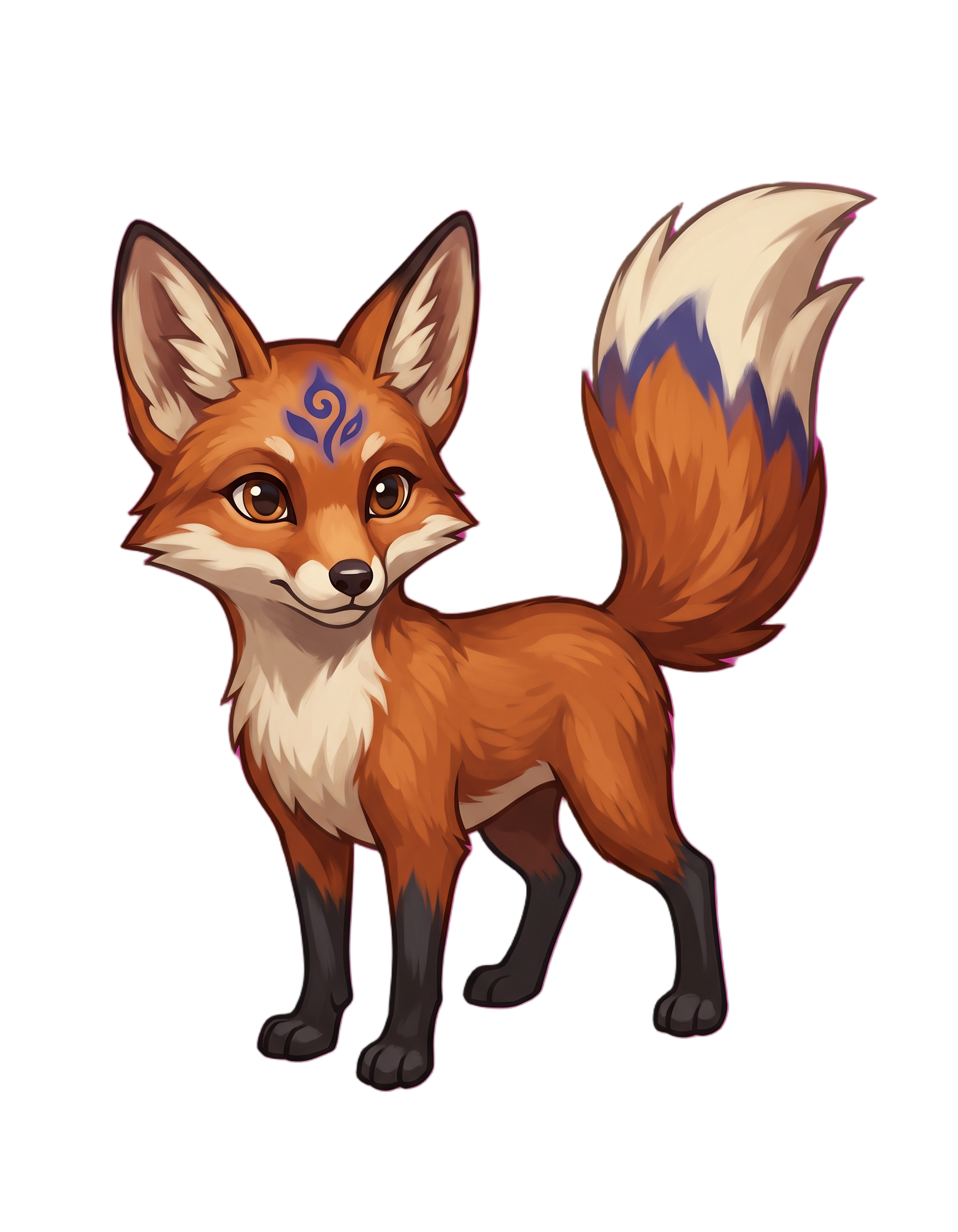
A creature that grows up or takes an elemental form has to be recognizable in every state. Write each stage as its own prompt and the set comes back as cousins, with a horn that branches differently every time.
Name the creature and the states you want, such as foal, yearling, adult and ancient, or fire, ice and storm. Layer designs the adult first, settles which features must survive every form, and derives each one from that adult image. You skip redrawing the horn four times and checking that it still matches.
Growth Comes Off, History Goes On
Layer treats age as anatomy. Going younger, it takes growth away: the kirin foal gets a horn bud, a shorter muzzle and larger eyes. Going older, it adds history, so the ancient carries more weight and a taller, weathered horn. The body plan and the surface family stay put at every age, and scales stay scales.
Posture changes with age too. A foal that stands like an adult reads as a shrunken adult, so the yearling is lanky and long-legged and the ancient settles into its weight.
Anatomy Held, Pose Free
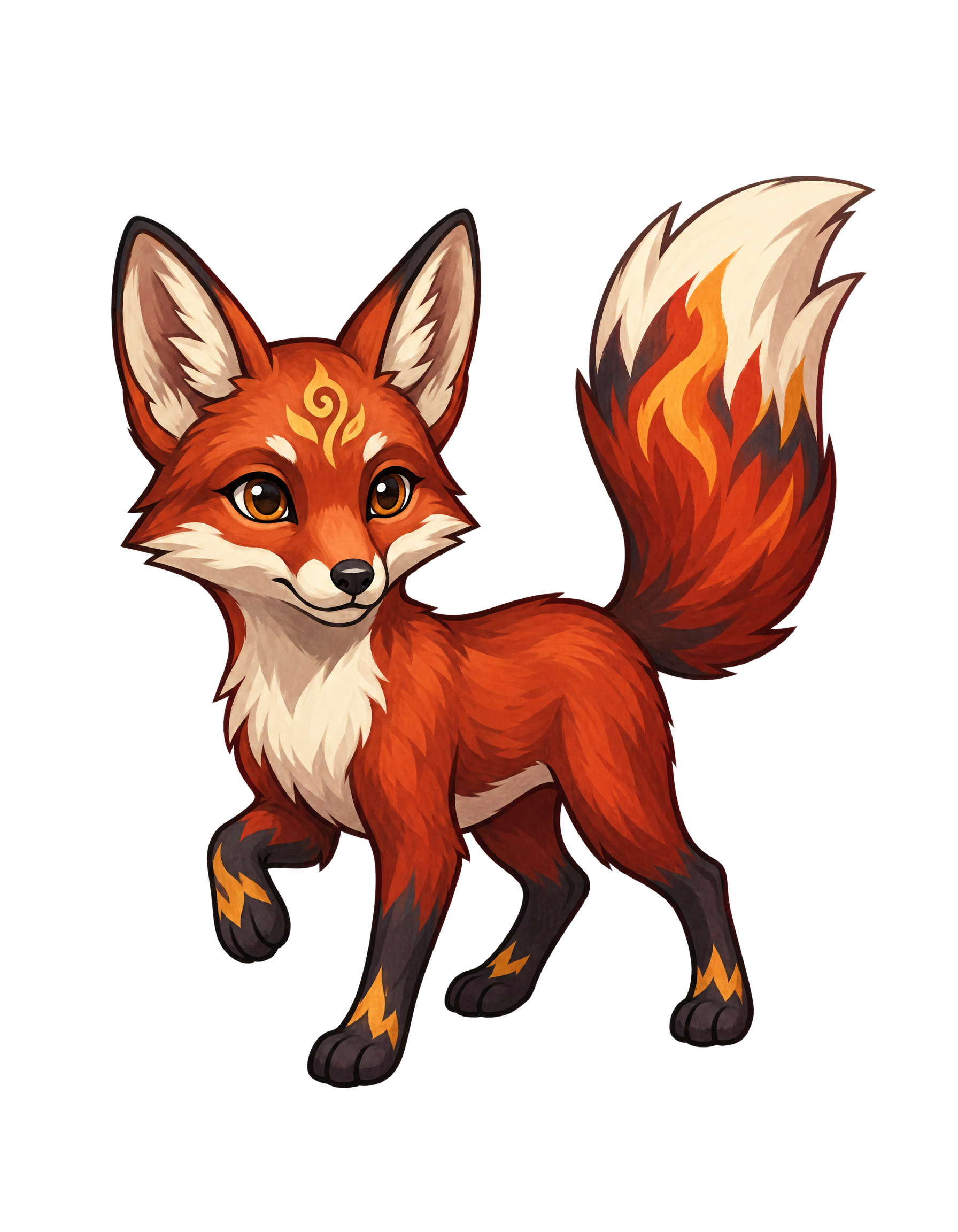
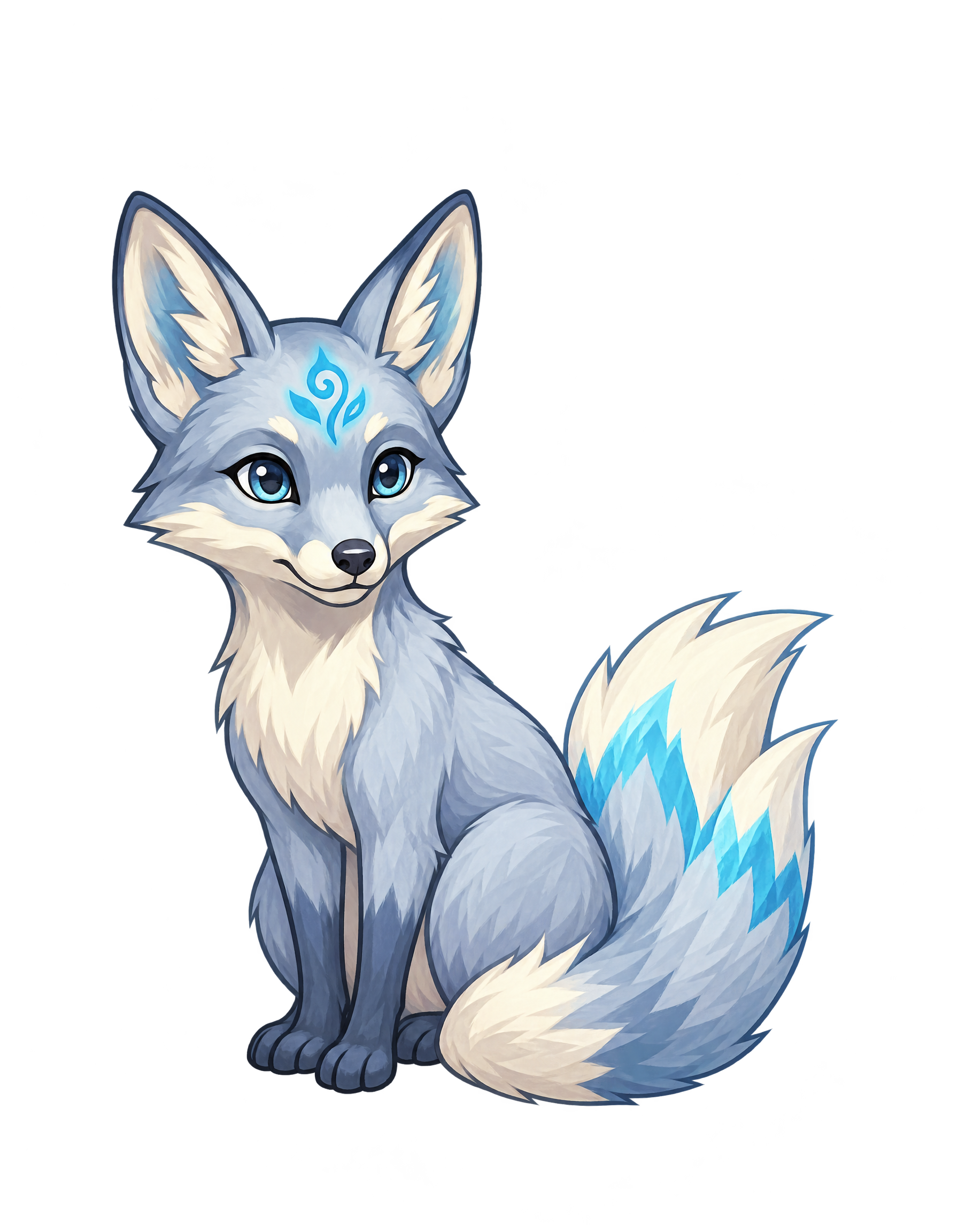
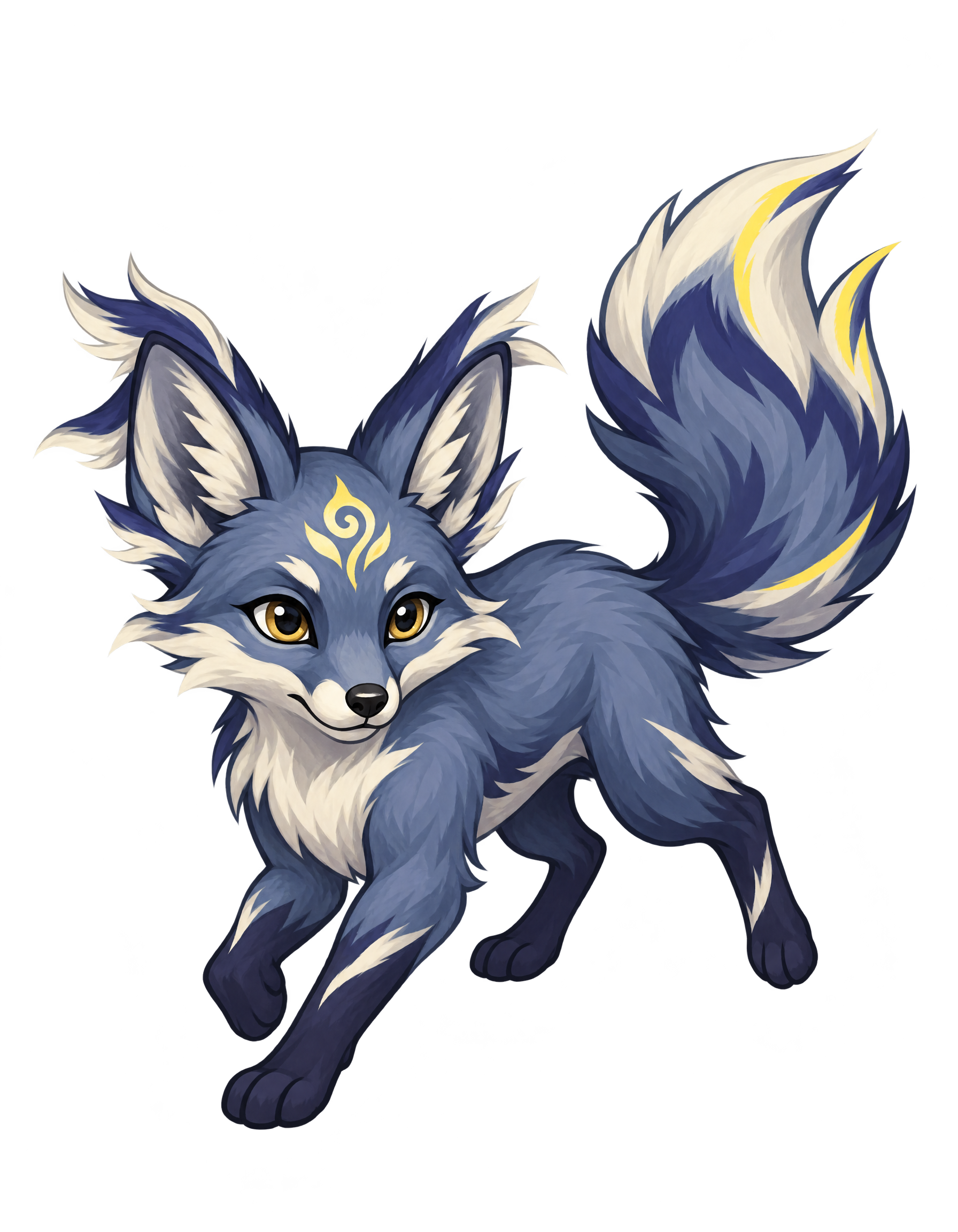
What makes it this creature Two or three features, like the fox's split tail and forehead sigil, are named up front and checked on every form.
One step from the adult Each form comes straight from the approved adult and never from its neighbor, so drift has no chain to travel down.
A pose for each form The fire fox raises a paw and the storm fox crouches to run, because a set frozen in one stance looks like a specimen drawer.
Each form is delivered as a separate transparent PNG for Unity, Unreal, Godot or GameMaker, or for your animators to rig. Ask for a new form in the same session and it is derived from the same adult, so a later evolution sits beside the first ones.
For a set of different creatures, see game enemy design. For a boss with phase states, see boss design.