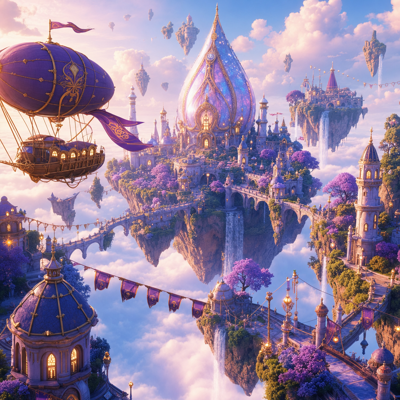
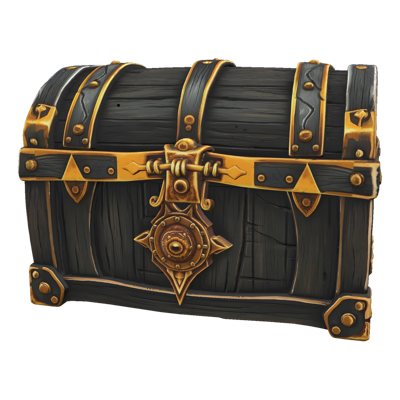
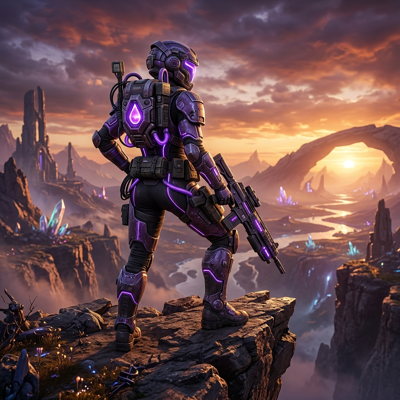
The hardest problem in AI-assisted game art isn't generating something good — it's generating the same character, the same style, the same world, hundreds of times. Without shared references, every artist re-describes the hero from scratch, every prompt drifts a little, and consistency erodes across the exact assets that are supposed to feel like one game.
Reference Sets solve consistency at the source. They're reusable libraries of characters, backgrounds, objects, and styles — images with captions, cover files, and prompt fragments — that the whole team and the Creative Agent draw on, so every generation starts from the same ground truth.
Key Capabilities
Libraries for every asset type Build sets for characters, backgrounds, objects, and styles. Each set collects the images that define the concept, with captions that tell models what matters about them.
Prompt fragments Store the prompt snippets that reliably produce a character or style, and Layer suggests them in the composer. The phrasing your best prompter figured out becomes something the whole team reuses in one click.
Captions and cover files Caption each image so models and teammates understand what it shows; give each set a cover file so it's recognizable at a glance in a workspace full of them.
Applicability scoping Scope a set to the modalities or models where it belongs. A 2D character sheet doesn't need to surface in audio work — scoping keeps suggestions relevant.
Foundation for custom training Reference Sets are the starting point for LoRA fine-tuning and voice cloning. The same curated images and captions that guide daily generation become training data when a concept deserves its own custom model.
How It Works
Collect your references Create a set and upload the images that define a character, style, or environment. Add captions and a cover file so the set is self-explanatory.
Configure how it applies Add prompt fragments for the phrasings that work, and scope the set to the modalities and models where it should appear.
Generate with it everywhere Pull the set into sessions, hand it to the Creative Agent, or use it as the dataset for LoRA training or voice cloning. Every output inherits the same reference point.
Built for Game Production
Character consistency across a live game A character that appears in the game, the store, the ads, and the event splash needs to be the same character everywhere. One Reference Set makes that the default.
UA creative that stays on-brand Performance teams iterate fast; Reference Sets make sure fast doesn't mean off-model. Every ad variant generates against the approved look.
Onboarding without tribal knowledge New artists don't need to learn which prompts produce the house style — the sets and their fragments encode it. Production knowledge lives in the workspace, not in someone's notes.
A pipeline to custom styles When a title's style is distinctive enough to deserve a fine-tuned model, the Reference Set you've been using is already the training set. Curation work pays off twice.
Reference Sets are how 400+ game studios and entertainment brands keep AI output looking like their games. Build one, and consistency stops being a per-prompt battle.