Seasonal drops, gacha banners, battle pass tiers, collabs: The skin calendar never stops, and every skin has to feel new while staying unmistakably your character. Layer's AI character skin generator is built for exactly that. Describe the skin in one line and get back a fully styled cosmetic, in your game's own style.
Generic AI tools treat a skin as a new picture. You know it's a costume on a character your players already recognize, and so does our agent: Its skills are grounded in the professional craft of game costuming, tuned for game art, and ready for the pipeline you already run. Every request quoted on this page is the exact line we typed, with no extra context.
How Layer Designs a Skin
Ask a generic image model for "our knight in winter armor" and you get a knight in winter armor, with a different face and the signature sword gone. Layer starts from your character, not a description of it.
Your character stays your character The agent locks the one feature no skin may remove (a signature weapon, an ear shape, a hair silhouette) and edits from your approved art every time, never from the last skin. Ten skins in, it's still the same hero.
One big idea, not a pile of trim Small changes go unnoticed; one strong idea sells. Every skin gets an in-world reason (a festival, a promotion, a fashion house inside your game) and a single hero piece that carries it.
Cosmetics stay cosmetic Weapons, roles, and rarity colors stay at least as clear as on the base, so no skin helps or hurts play.
AI Outfit Generator: Fashion With a Point of View
Ask for a sharper look and the agent won't reach for more straps and buckles, the generic look AI defaults to. It designs a point of view:
- A house style in two or three words, like quiet hoodie luxe or feline noir couture
- One hero piece, bolder than necessary, with everything else in support
- An anchor in who the character already is: Their heritage, their job, their old uniform
- A second-look detail for the fans who zoom in
Every look reads as intentional, not accessorized. Here's the result, base on the left and skin on the right:
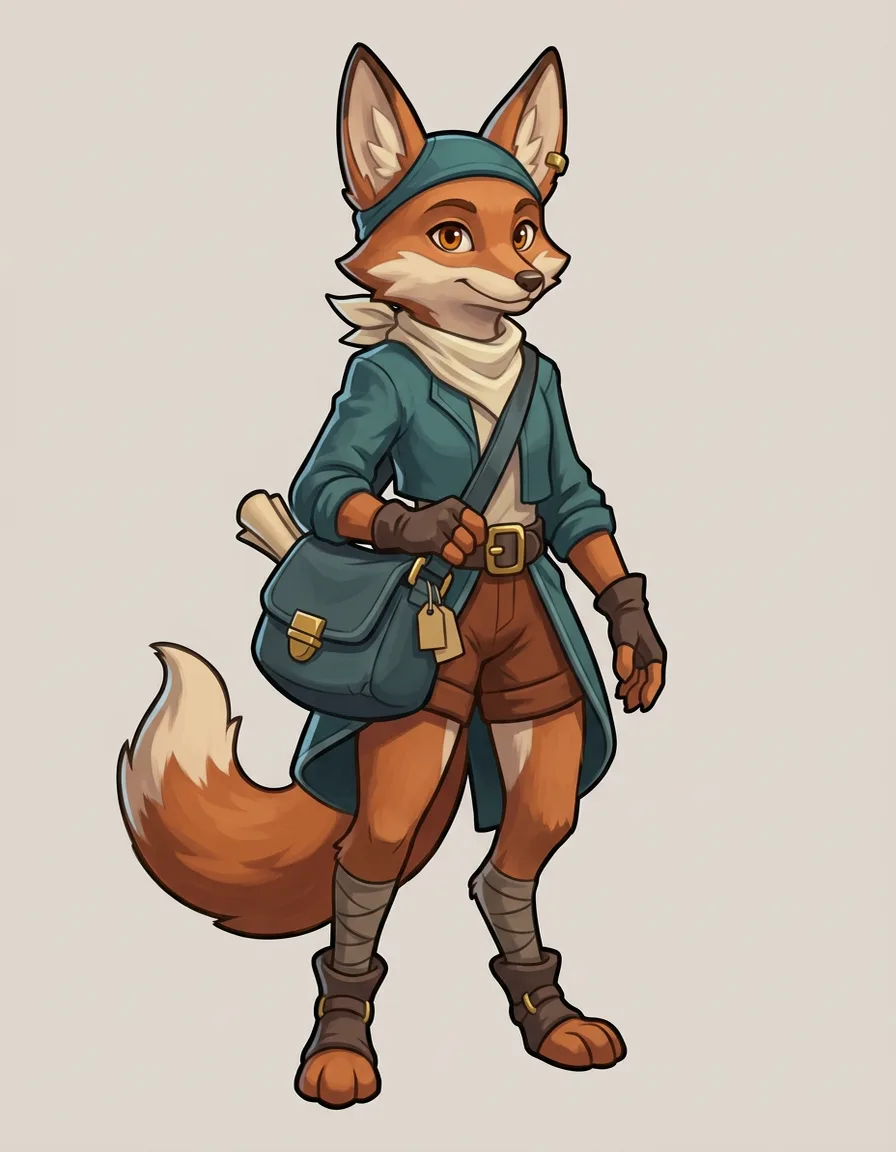
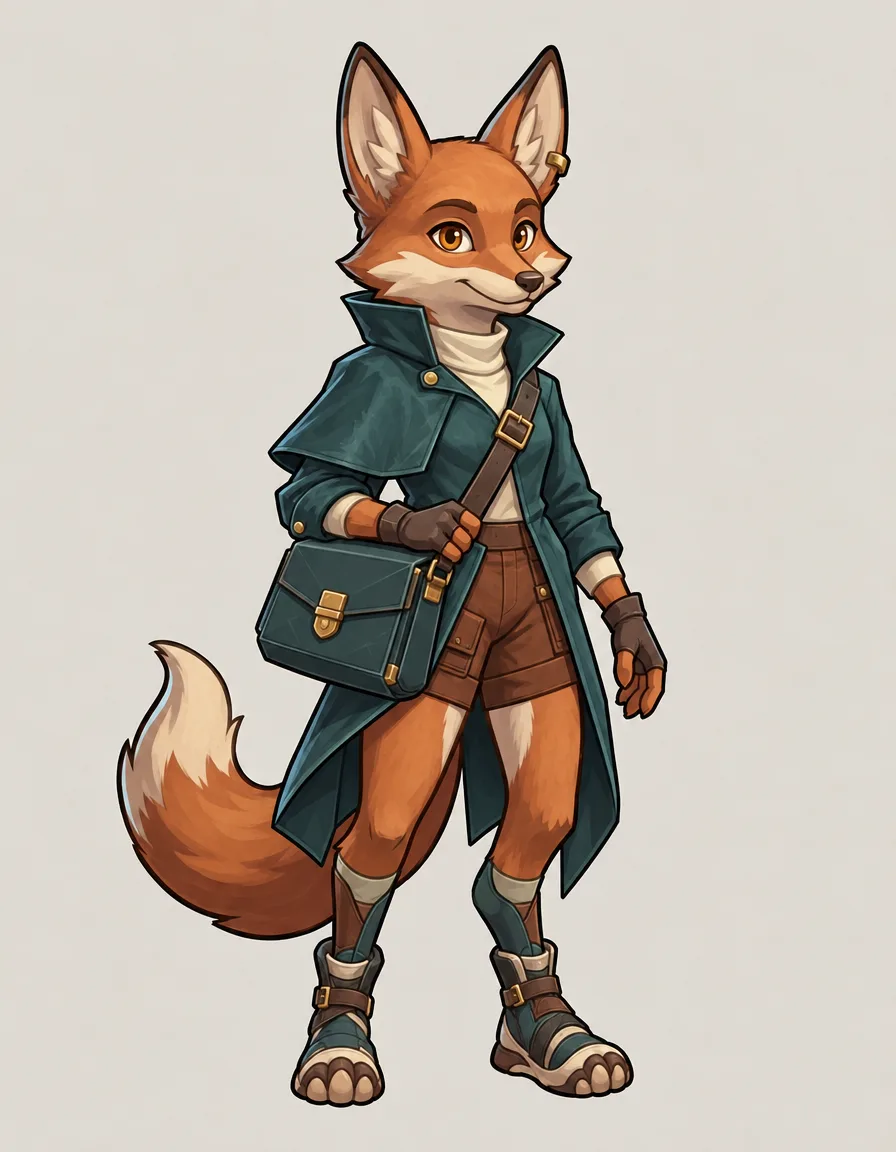
“Give our fox courier some drip”
Kept: The ears, the earring, the tail, and the satchel strap. Changed: One silhouette, a high-collared trench cape, backed by a brass-fitted satchel and chunky sneaker-boots.
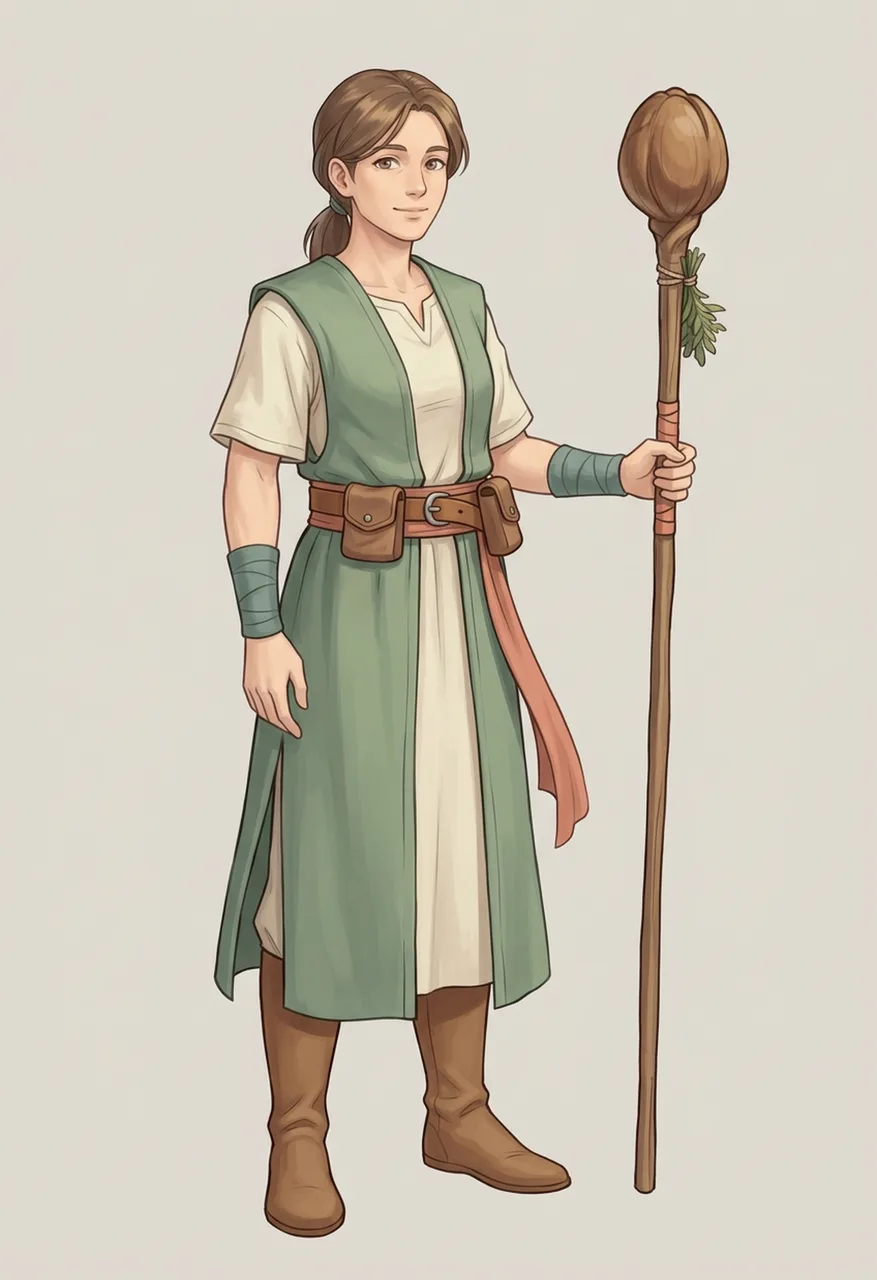
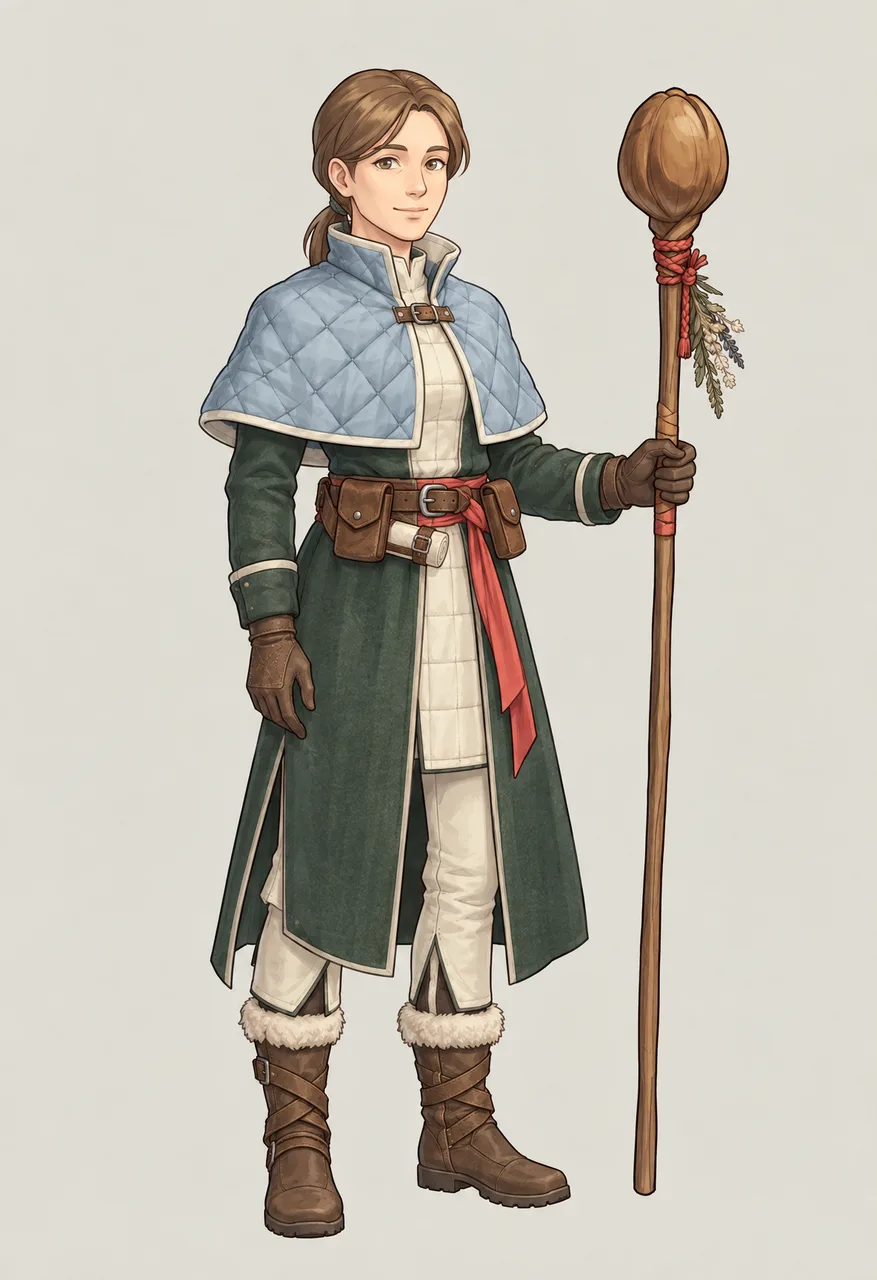
“A winter skin for our healer”
Kept: The face, the staff, and the sash. Changed: A quilted capelet over a fur-trimmed coat, the staff bound in red cord and dried herbs. Winter, and still warm and gentle.
Anthropomorphic Character Design: Ears, Tails, Wings, and More
No flat helmets squashing snouts, no capes smothering wings, no tails poking through holes. The agent makes a call on every ear, tail, snout, horn, wing, and digitigrade leg:
- Reveal it through an opening
- Frame it with cuffs, rings, or trim
- Contain it in a fitted sleeve or guard, the go-to for armor
- Conceal the join under a drape
- Suppress a garment that body wouldn't wear
For kemonomimi and personified characters, the agent spreads callbacks across the outfit instead of stacking them on the head, so a crane's long neck becomes a stacked high collar. It even settles whether your cat-eared hero has human ears too, so every generation agrees.
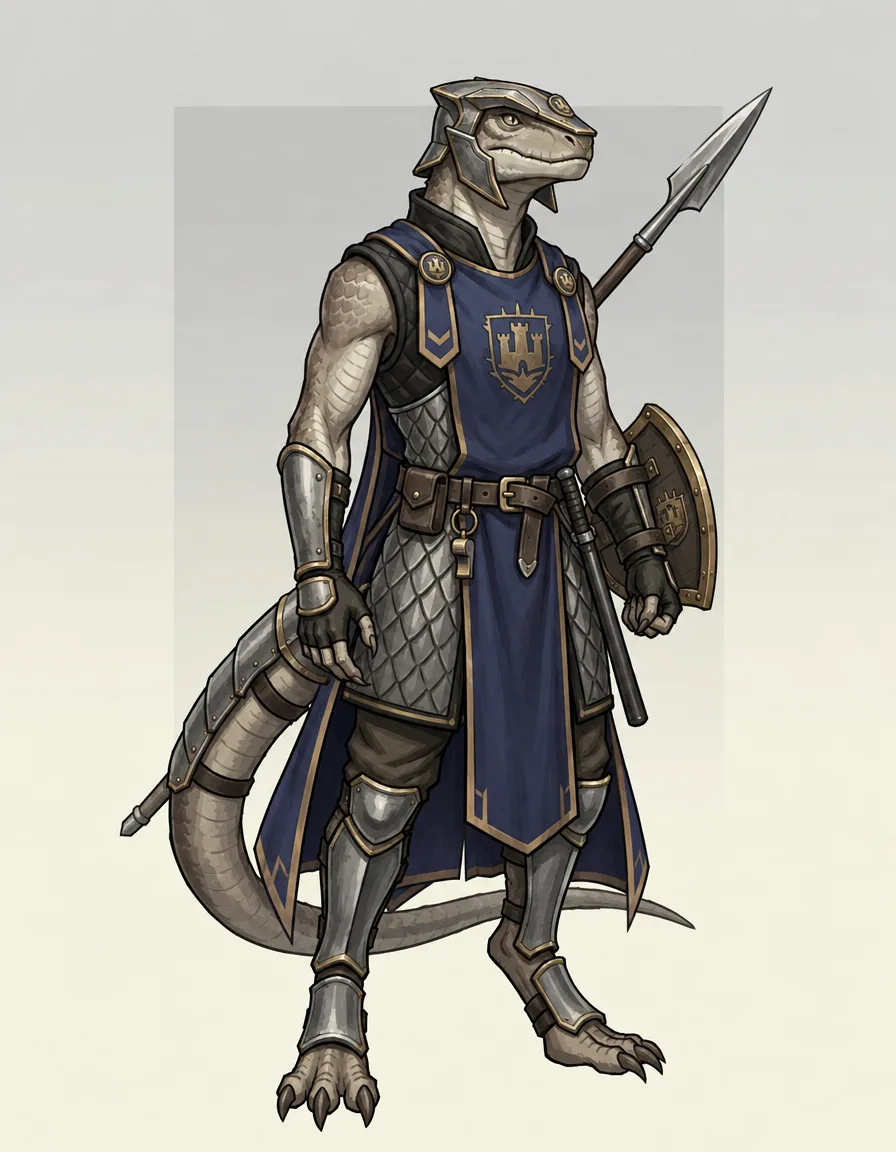
Three bodies, three one-line requests: A city-guard uniform for our lizardfolk "that works with the tail and the snout," formal evening wear for an owl-folk scholar "with full wings," and a lantern-festival skin for a cat-eared idol.
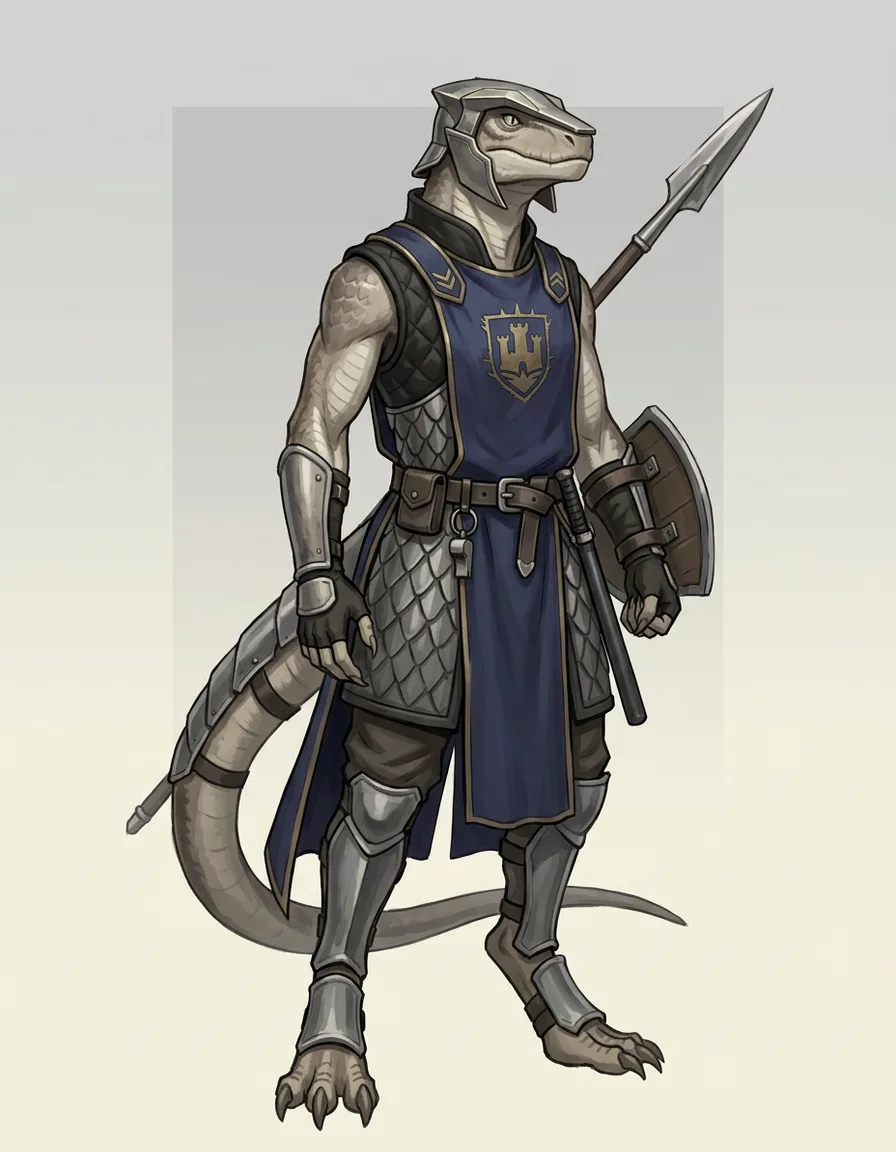
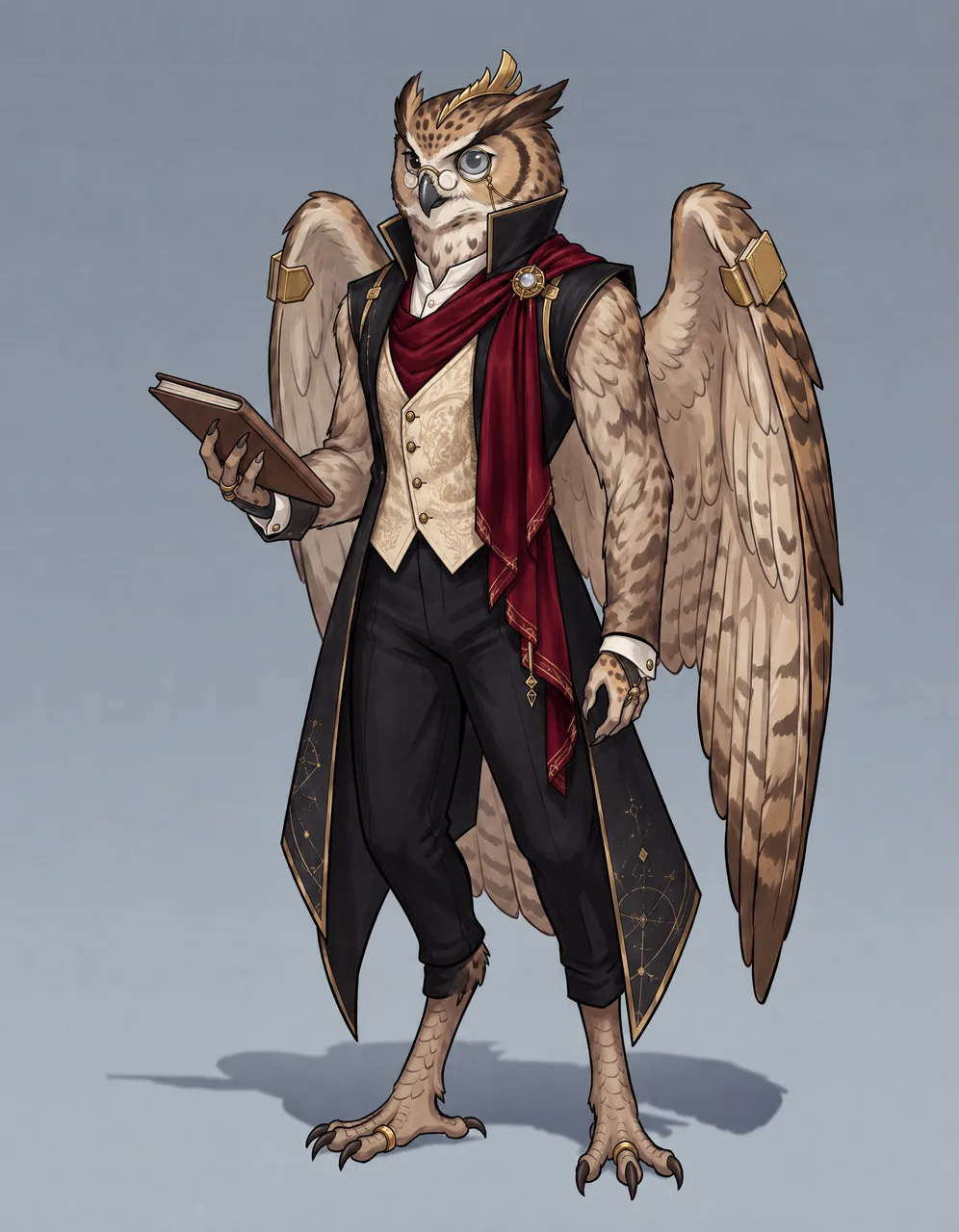
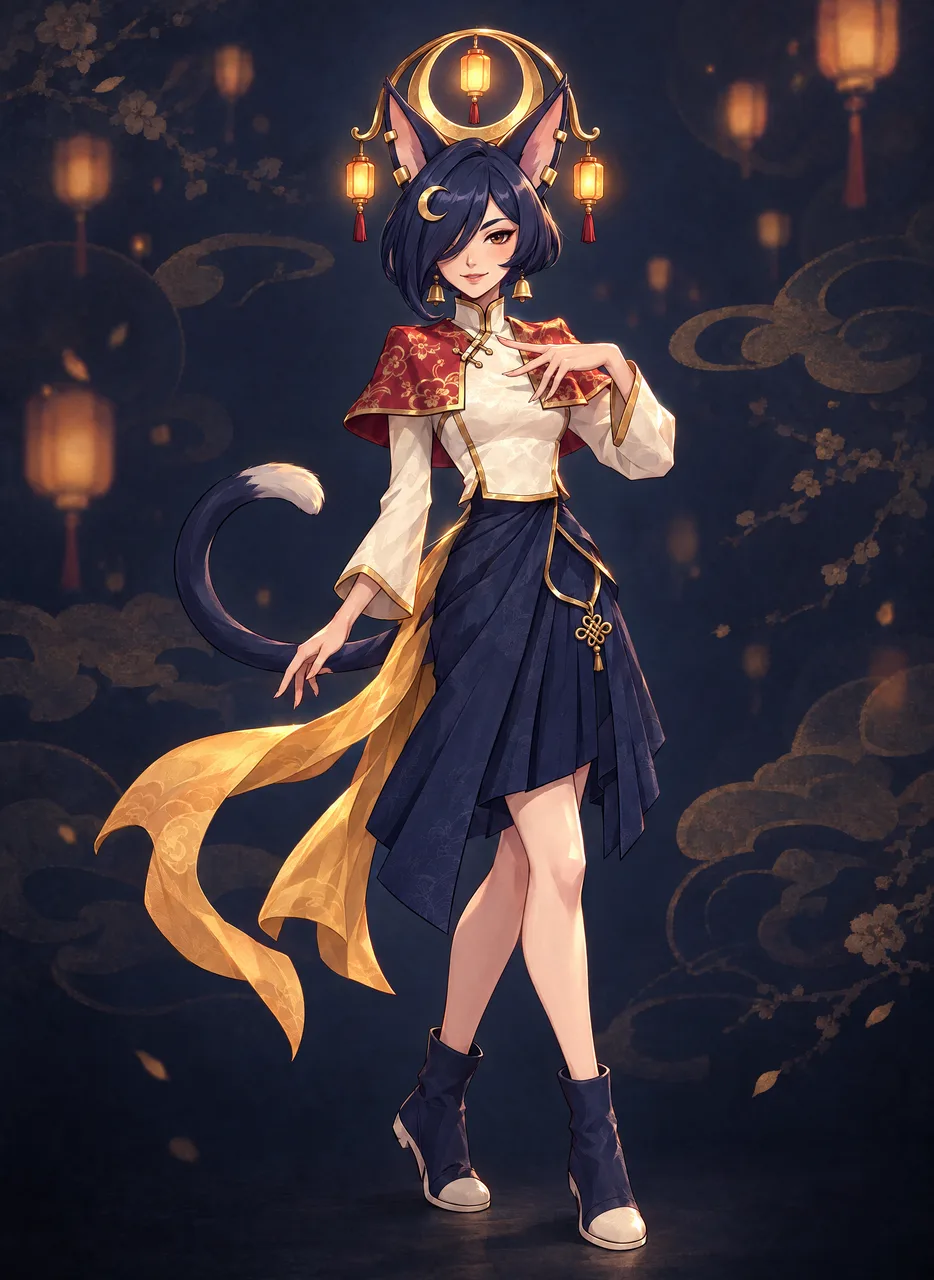
One uniform, every rank Promote the guard to gate captain and only the rank changes: Gold edging, chevrons, shoulder studs, and the crest on the shield.
Gacha Skins and Skin Lines: Rarity Tiers, Banners, and Seasonal Drops
Layer approaches gacha character design as a system, not a pile of one-offs, so every pull on the banner feels worth it.
Skin lines with rules Ask for a line and the agent sets its rules first (shape, palette, material, effects), so skin number twelve still belongs with skin number one. Your rarity and faction colors hold across every line.
Rarity that escalates A new theme and hero piece at the mid tiers, a staged entrance at premium, the full show at the top, with transformations saved for splash art and victory screens. A gold recolor never passes as a legendary. Put the reveal in motion with character level-up.
One knight, one request: "Make a four-tier skin line for our knight: base, rare, epic, and legendary." The face, the sword, and the shield never move. Everything else climbs.
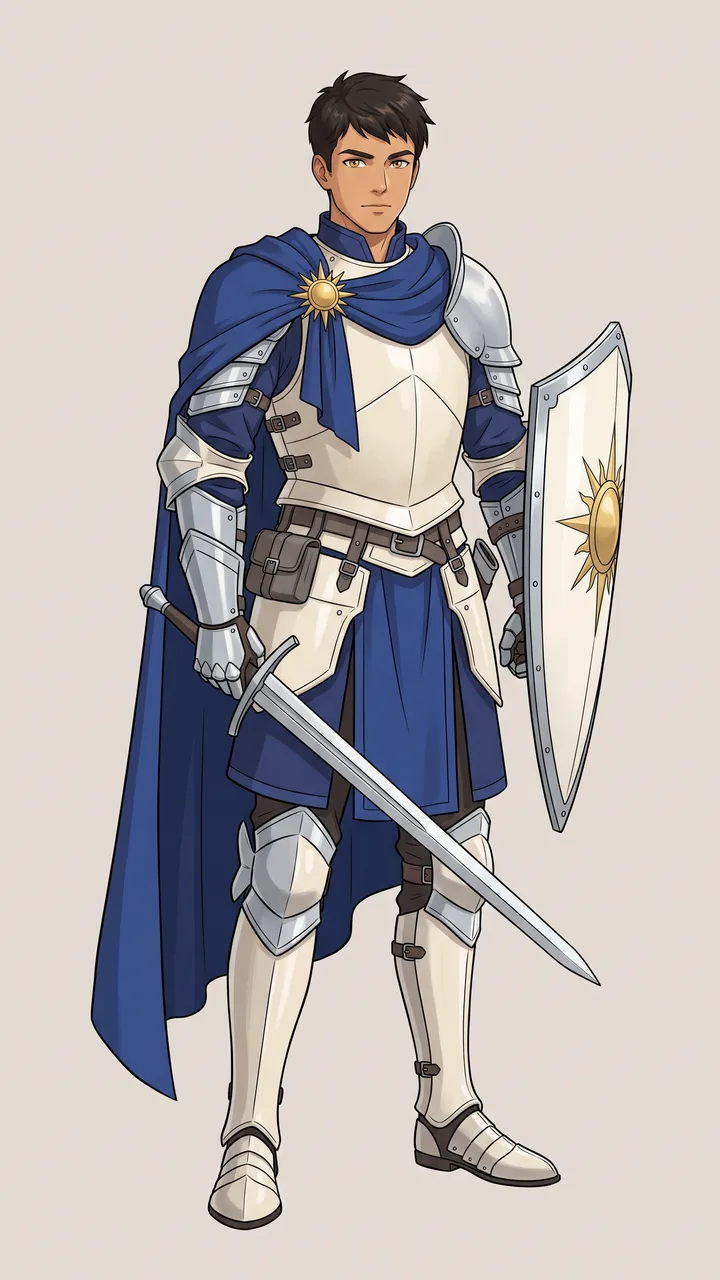
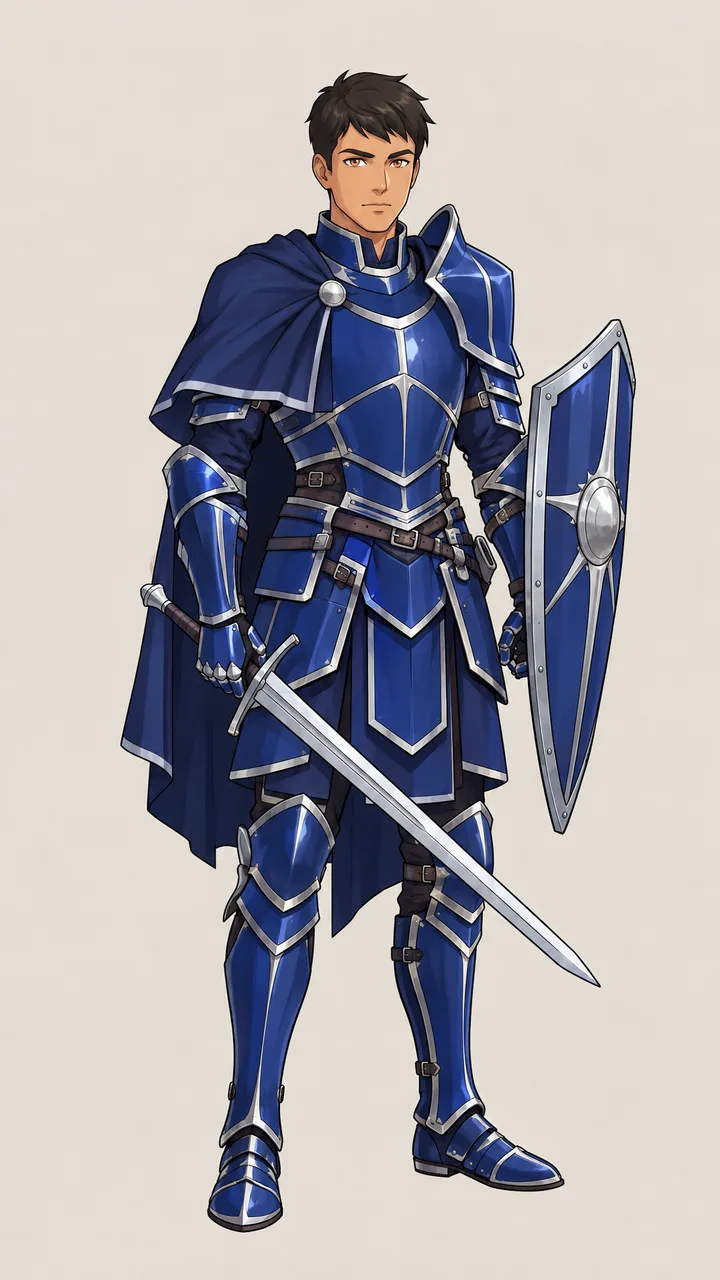
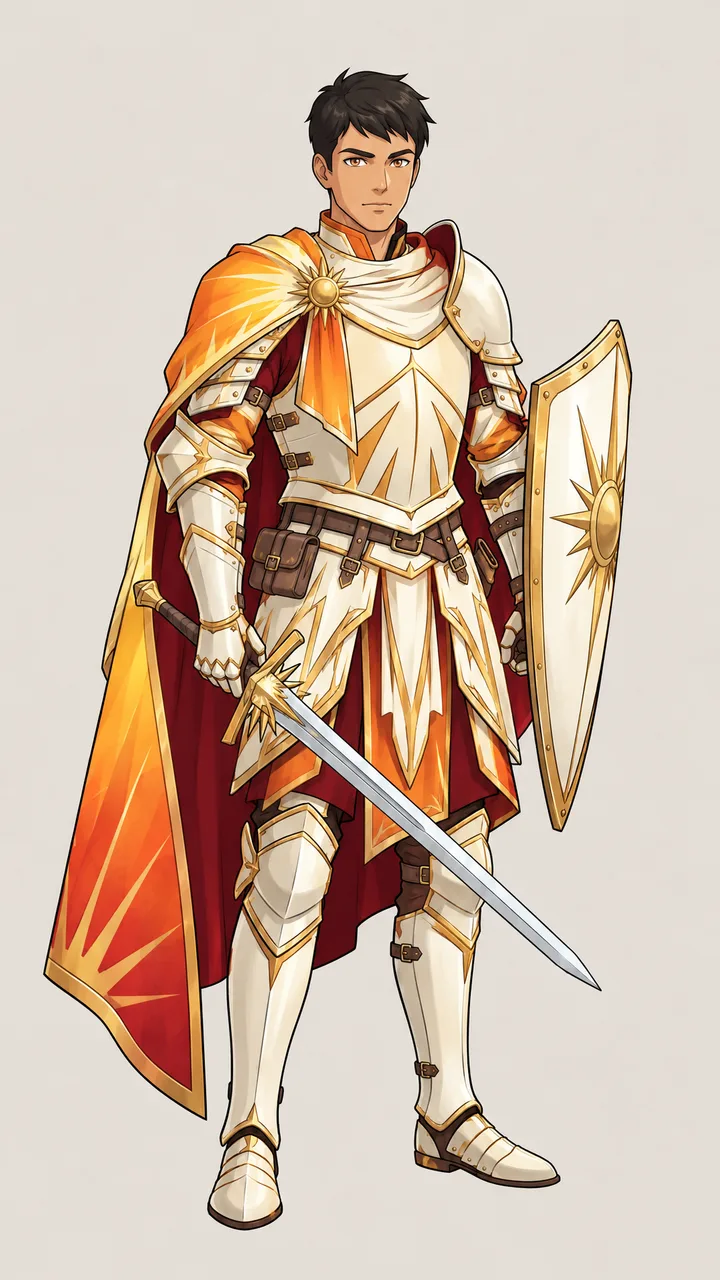
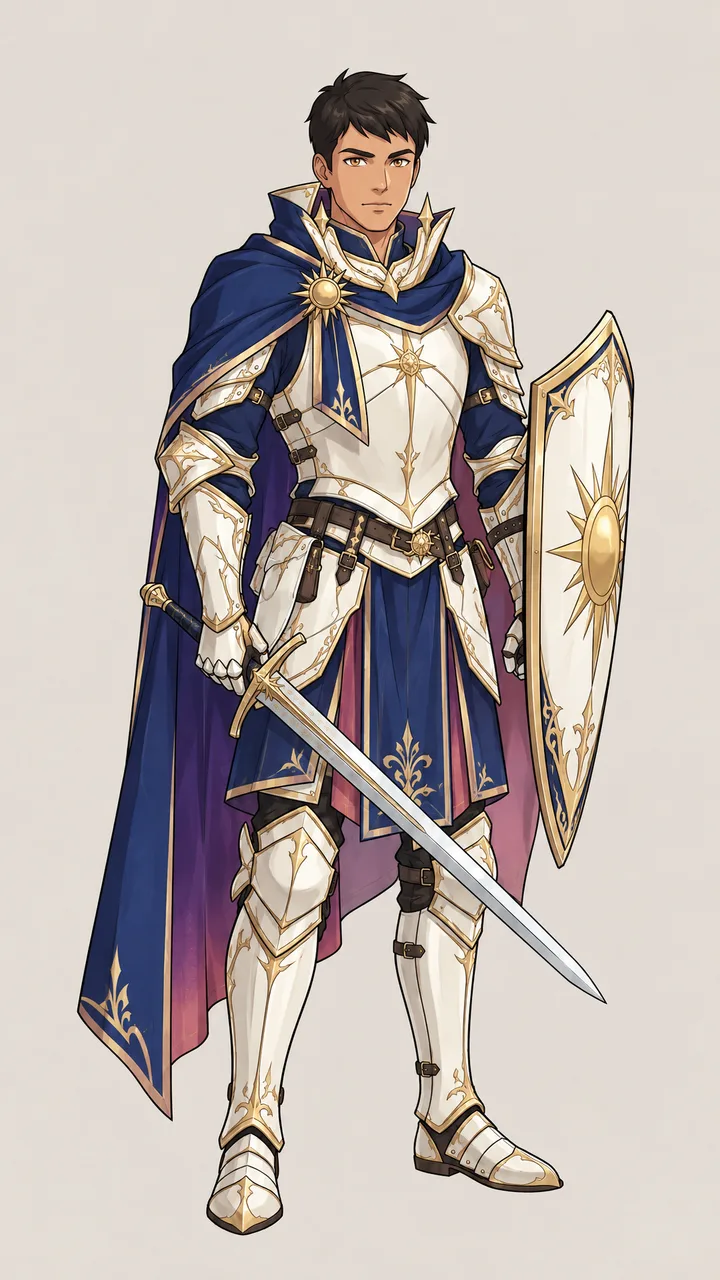
Seasonal drops on a live-ops schedule Festivals, promotions, and in-world fashion houses give every drop a reason to exist, and back-to-back events never blur together. Retheme an item catalog alongside it with batch theming, or test cosmetic hair with the hairstyle tool.
Regional alternates, designed up front Shipping to markets with different rules? Alternates are designed at full quality alongside the original, so they read as a choice, not a retrofit.
Game Skin Design Built for Production
Fits the pipeline you already run Pin characters with Reference Sets and train your house look with custom style training, so every skin from every artist speaks one visual language. Start the cast with character design and concept art, then dress them here.
Ready for 3D and rigs The agent builds costumes from mostly rigid pieces and one soft element, because loose fabric everywhere breaks turnarounds and rigs. Headed for image-to-3D? It designs the source for the mesh. Check the back with the rear-view tool, then move on to rigging and animation.
Quick swaps and pixel skins Need a fast outfit swap on existing art? The outfit change tool keeps your character's identity. Need it tiny? Sprite generation takes the same skins down to pixel-perfect game resolution.
Layer is the creative harness behind 400+ game studios, for game artists and art directors alike. Pricing is consumption-based with Creative Units (CUs) and no seat fees. Start free and see what your team can ship this week!