Put a flat-screen TV in the window of a 1985 mall and players stop believing the level. A period setting loses more to one wrong object than it gains from ten right ones, and checking every prop against the calendar is slow work for an art team.
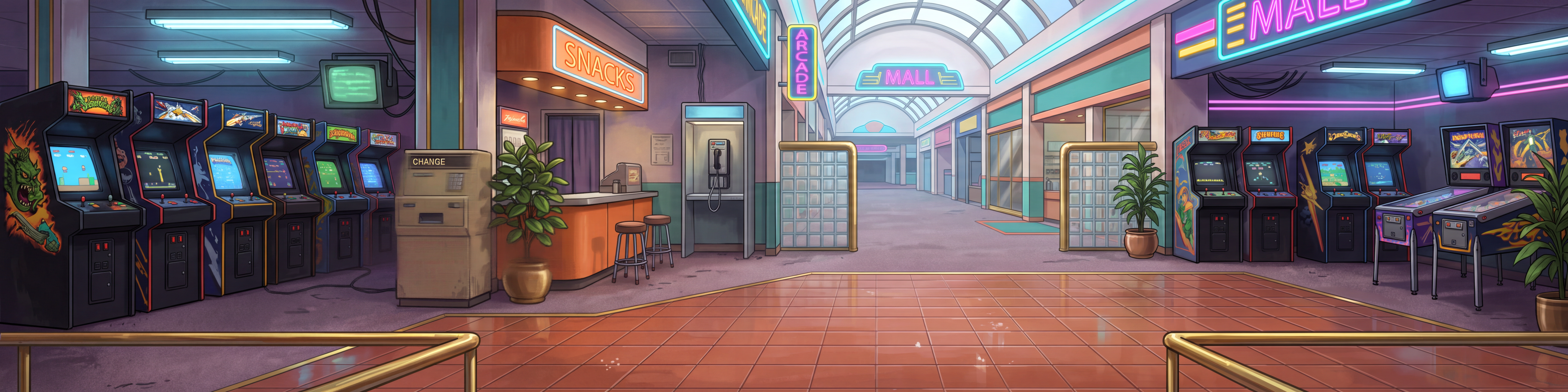
Name the decade and the place, such as a 1980s mall arcade for a beat-em-up, and Layer paints it with things that decade had. You do not assemble a mood board or list the cabinets, the payphone and the neon yourself.
The Decade Lives in the Objects
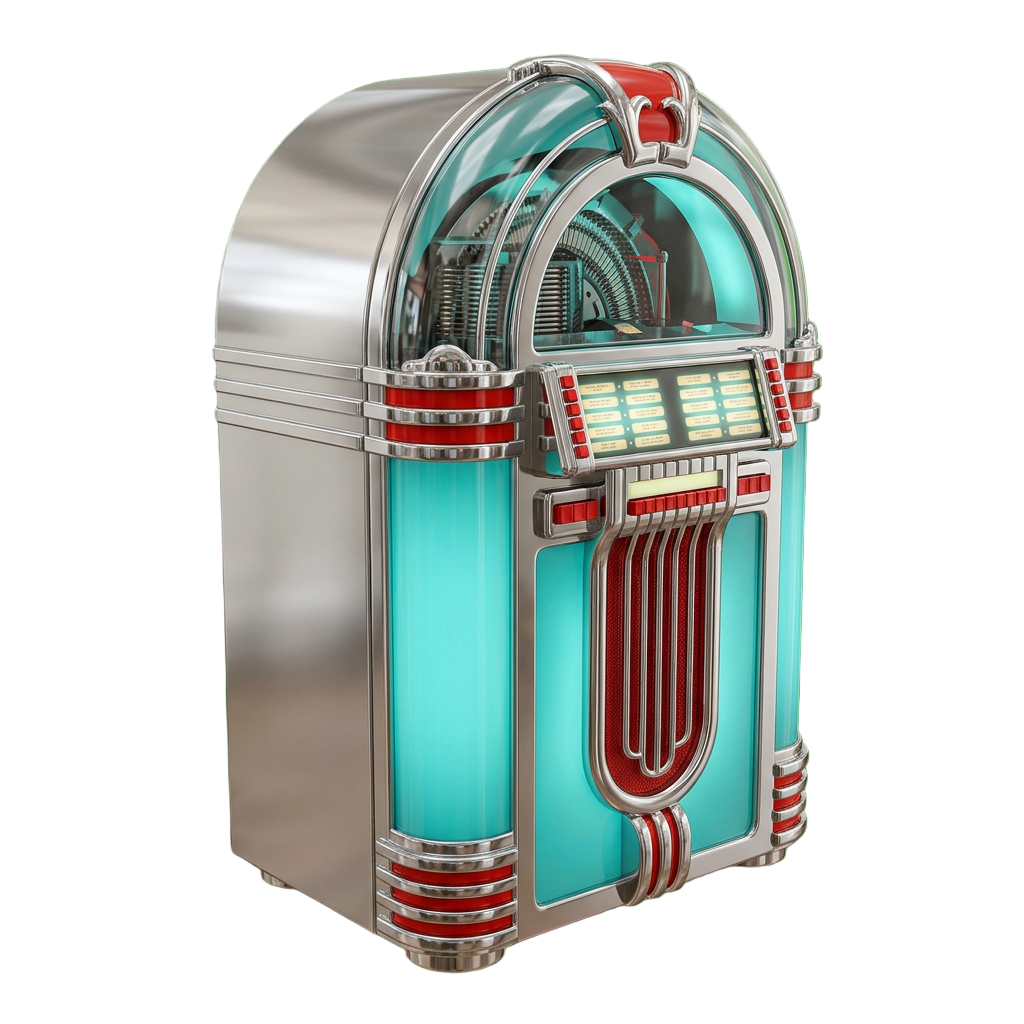
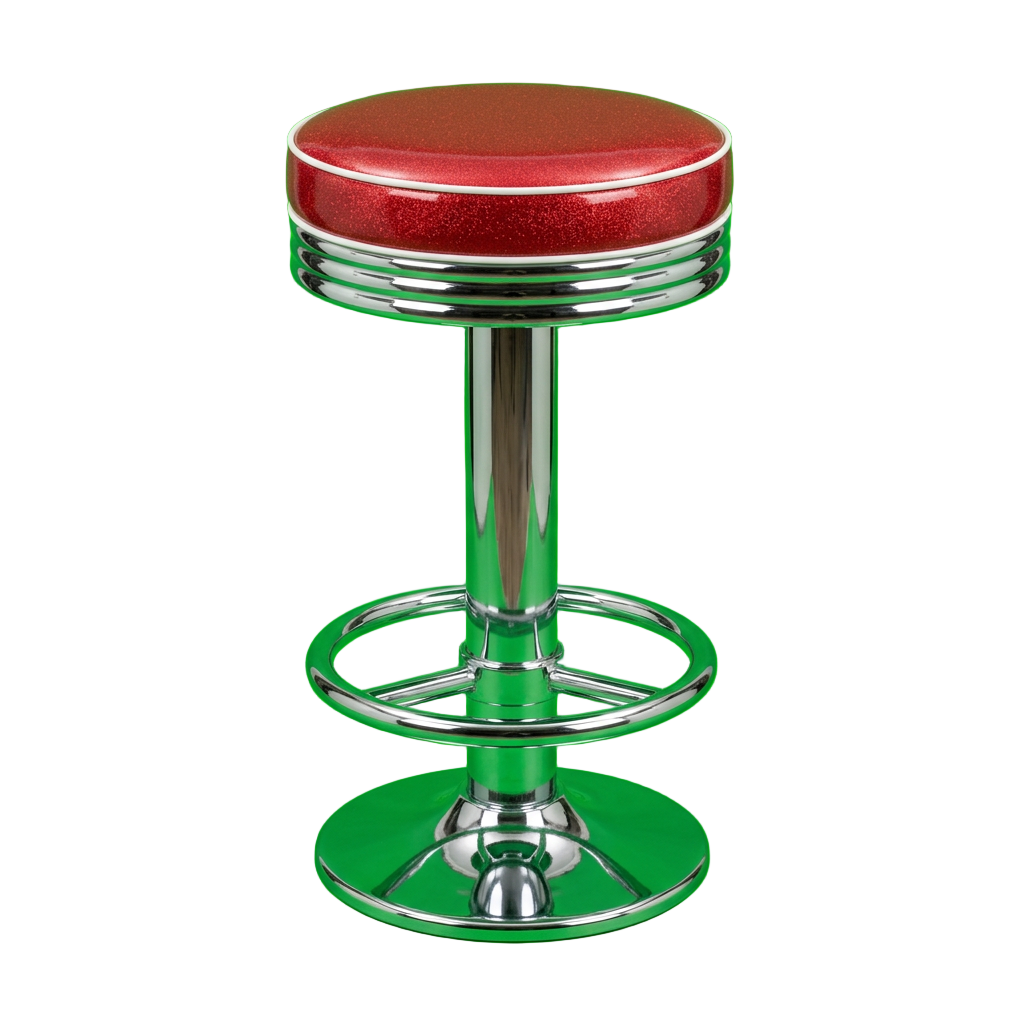
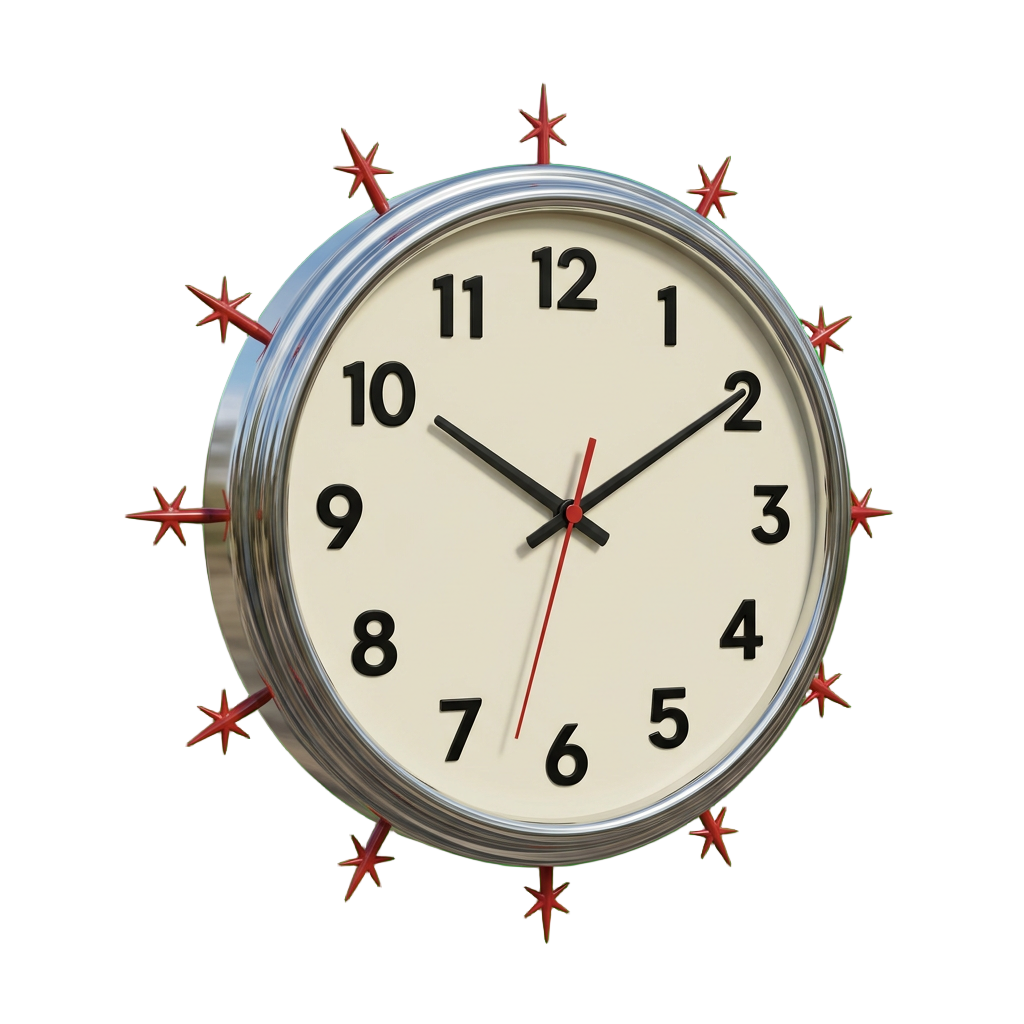
A palette wash alone looks like the present through a filter. A decade holds when its colors, its materials and its machines agree. The late-1950s diner is chrome and turquoise glass, red glitter vinyl on the stools and a starburst rim on the clock. The 1980s mall is arcade cabinets and pinball under neon, with a payphone and a change machine by the wall.
Say which version of the decade you want. Most games want the one people remember, brighter and tidier than the real thing. A game set in a real year may want the duller, more mixed period as it was.
A Background and the Props That Go in It
A strip for side-scrollers The mall arrives at 4096 by 1024 pixels, with the floor kept clear for the fight.
Props cut out separately The jukebox, the stool, the milkshake and the clock each come as a PNG with a transparent background, so you place them in the room yourself.
Ask for the same mall after closing, or the diner scuffed and half closed, and compare the moods against your level. For earlier periods and invented worlds, see game location design.