Skip to content

Faction Uniform Design

Faction Uniforms With Rank and Role in the Silhouette

Name the faction and who is in it, and every member shares one look while keeping an outline of its own

What do you want to create?

Log in to unlock more features

Attachments, projects, reference sets and voice are part of your workspace.

Messages to send, and what they made

“Design the uniform system for my sci-fi game's imperial navy: an ensign, a lieutenant, a captain and an admiral, each as a separate game-ready asset.”

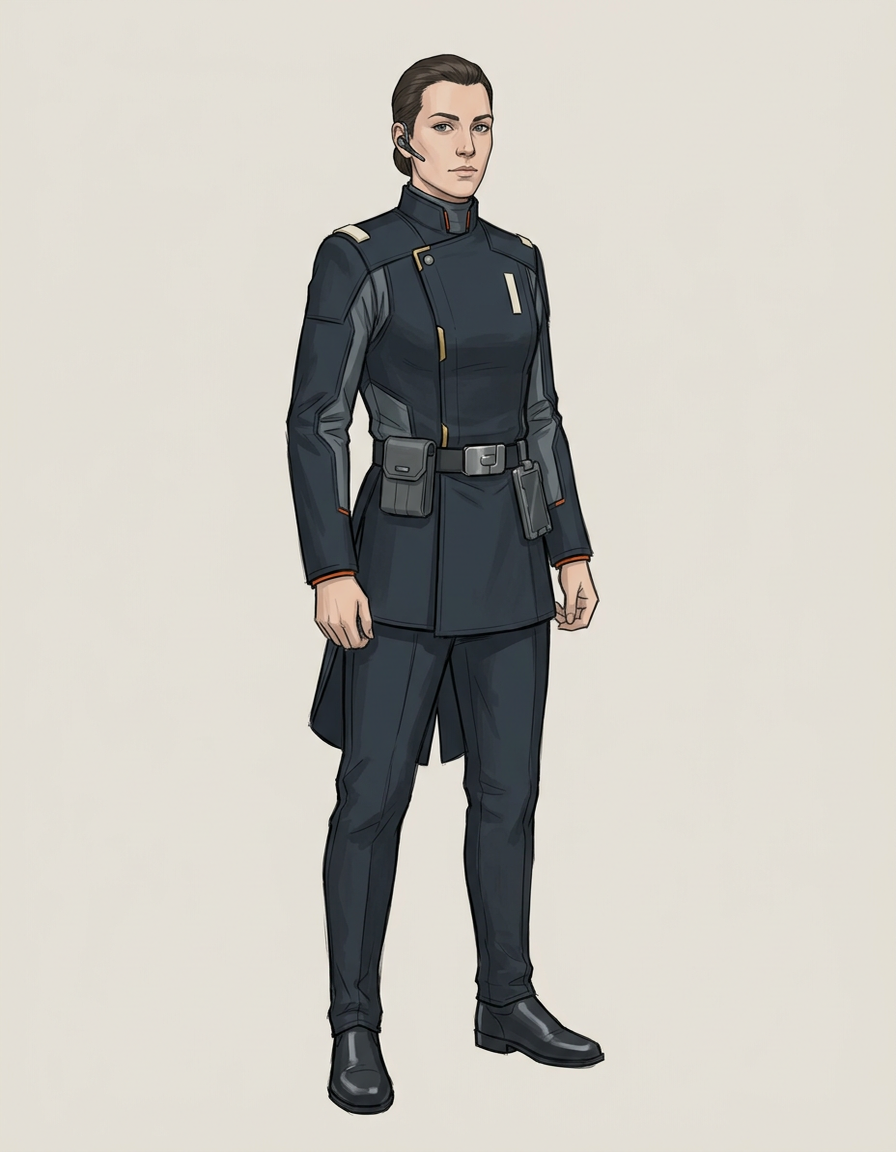
A naval ensign in a short black duty jacket with a single rank bar and a utility belt
Ensign
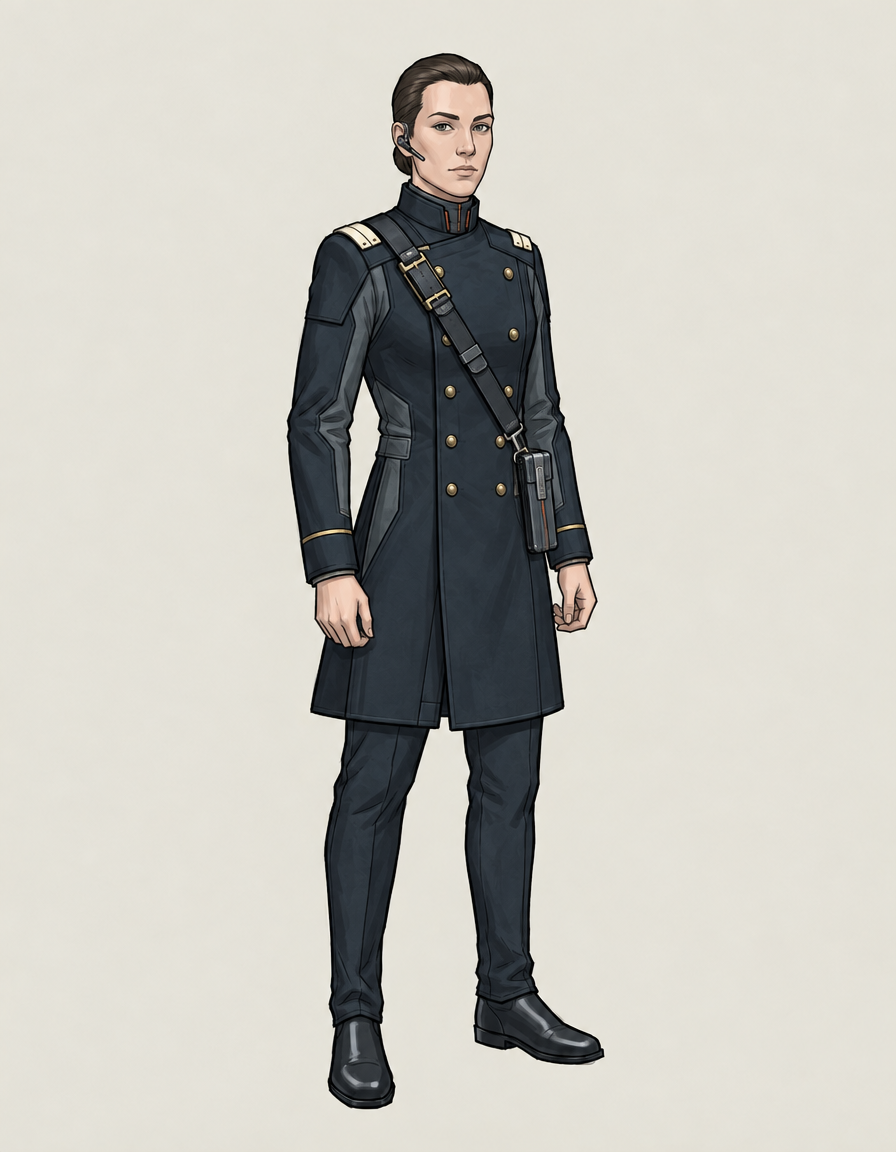
A naval lieutenant in a longer double-breasted coat with gold buttons and a cross-strap
Lieutenant
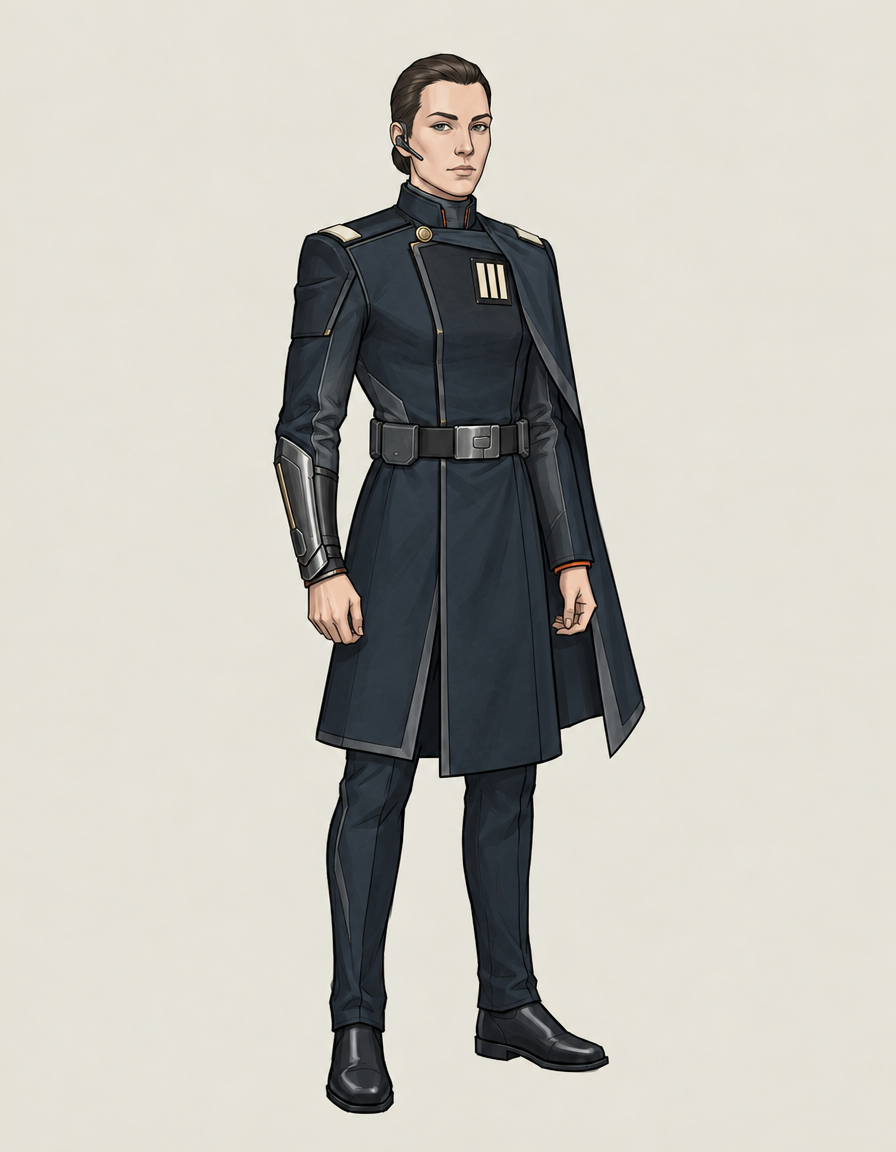
A naval captain in a knee-length coat with triple rank bars and a half cape
Captain
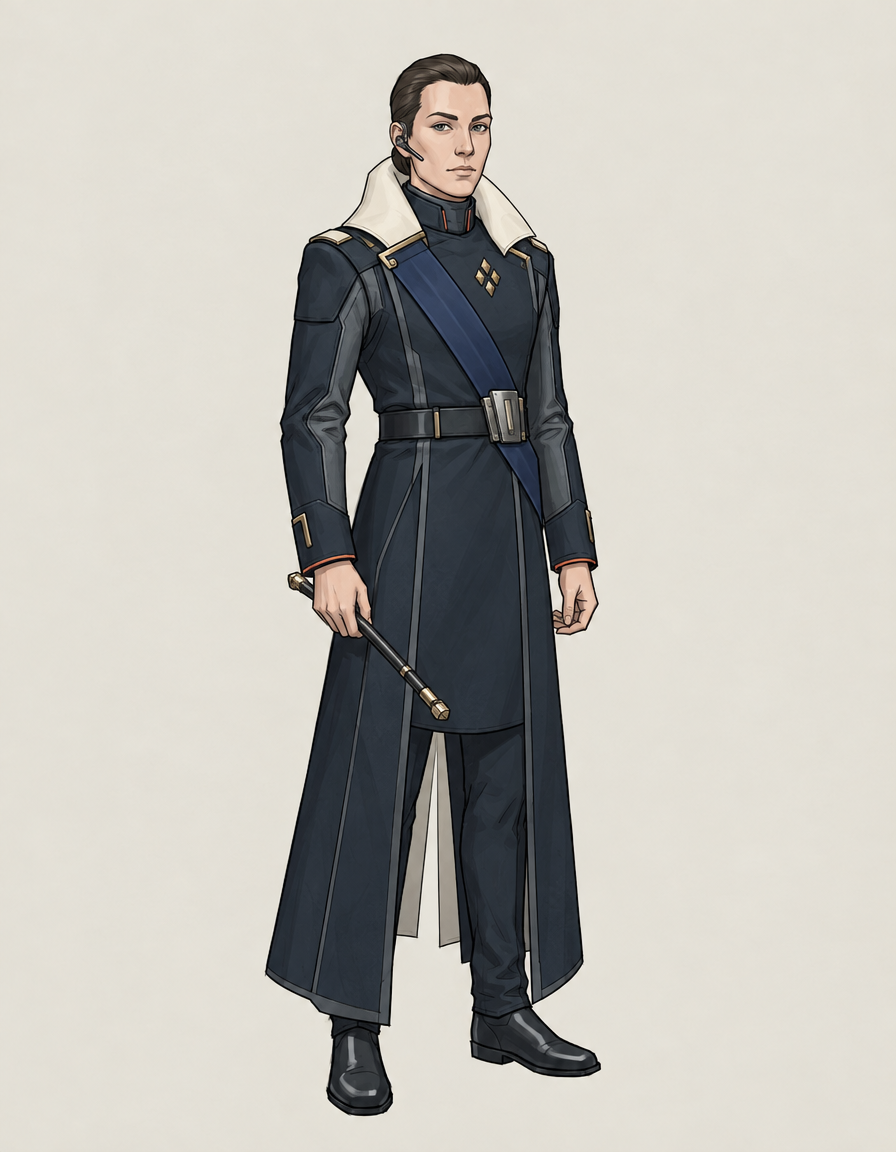
A naval admiral in a long coat with an ivory collar, a blue sash, gold insignia and a command baton
Admiral

The coat lengthens and the insignia multiplies with each rank, and the admiral adds a sash, a raised collar and a baton, so rank shows in the outline before anyone reads a badge.

“Design the wardrobe of a desert trading culture for my RPG: a merchant, a caravan guard and a noble, each as a separate game-ready asset.”

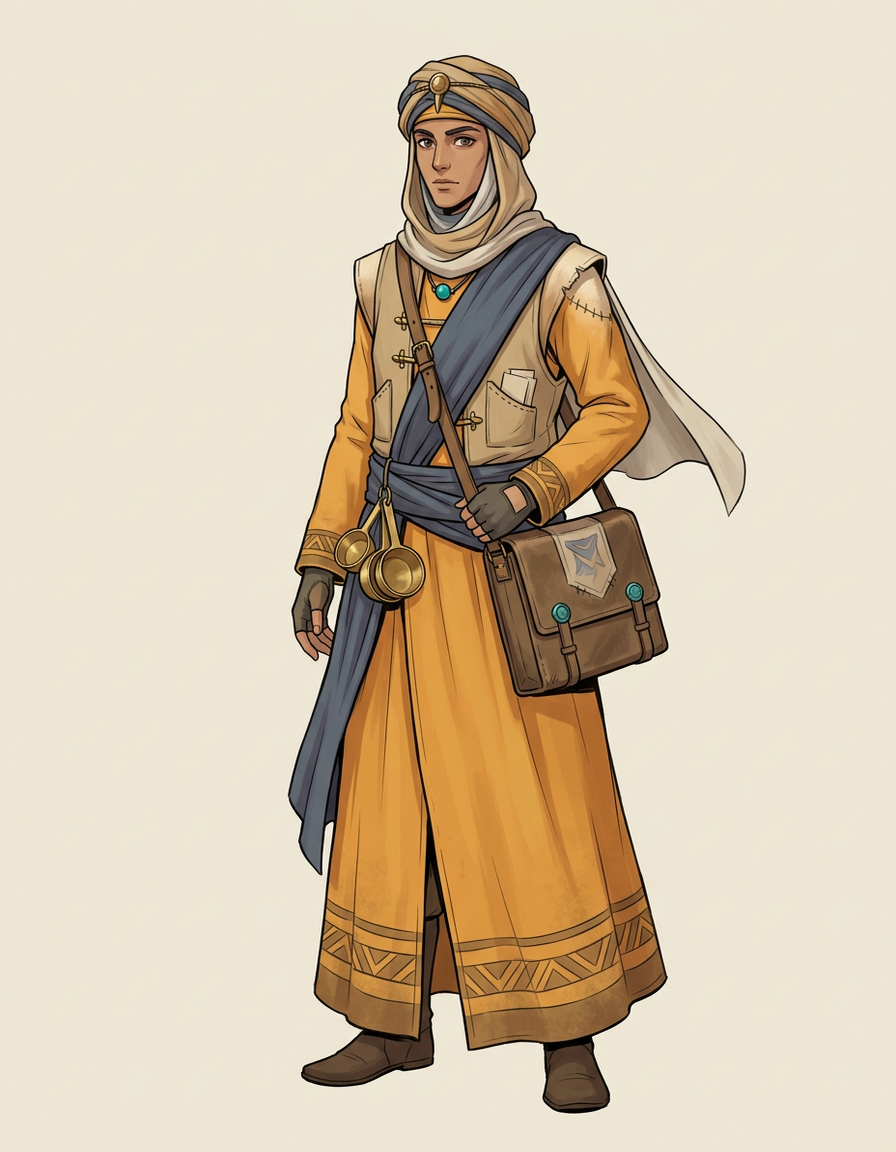
A desert merchant in saffron robes with an indigo sash, a head wrap and a leather satchel
Merchant
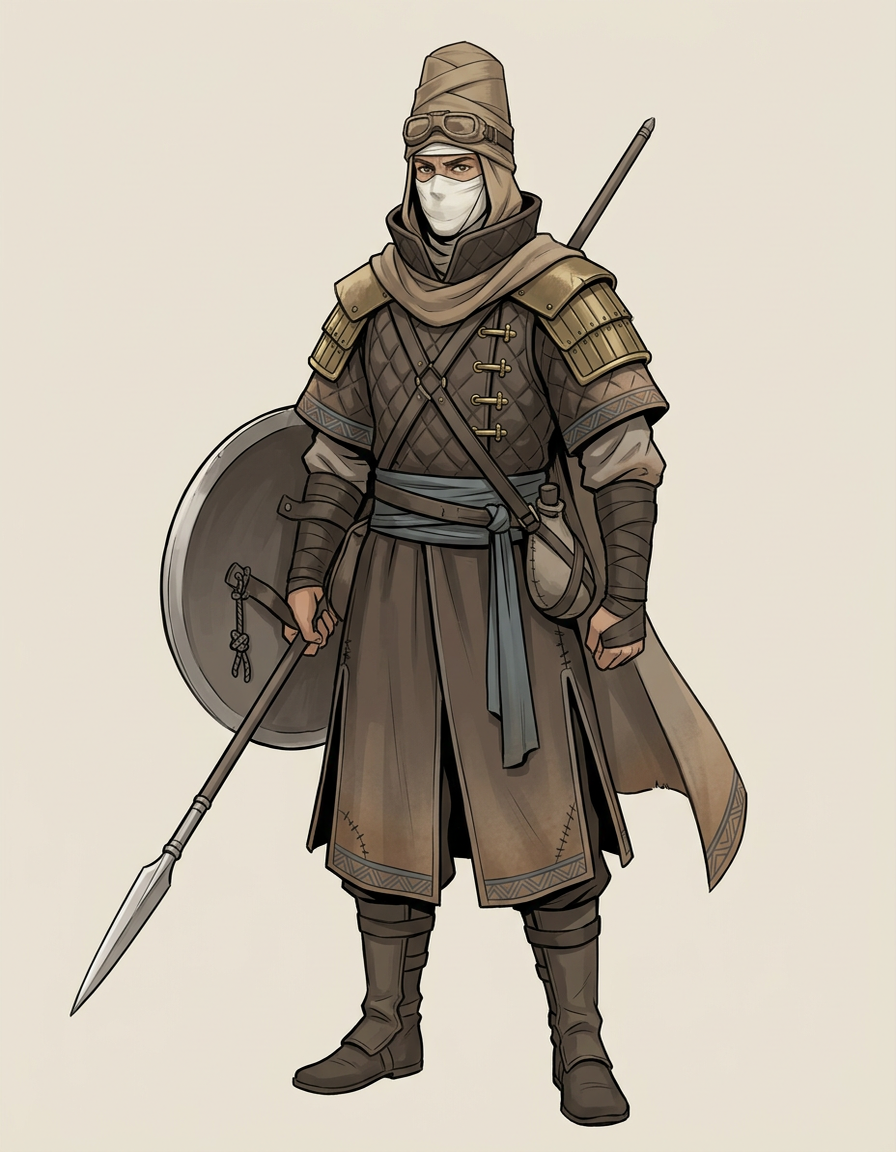
A caravan guard in umber layers and lamellar shoulders, face wrapped, with a spear and a round shield
Caravan guard
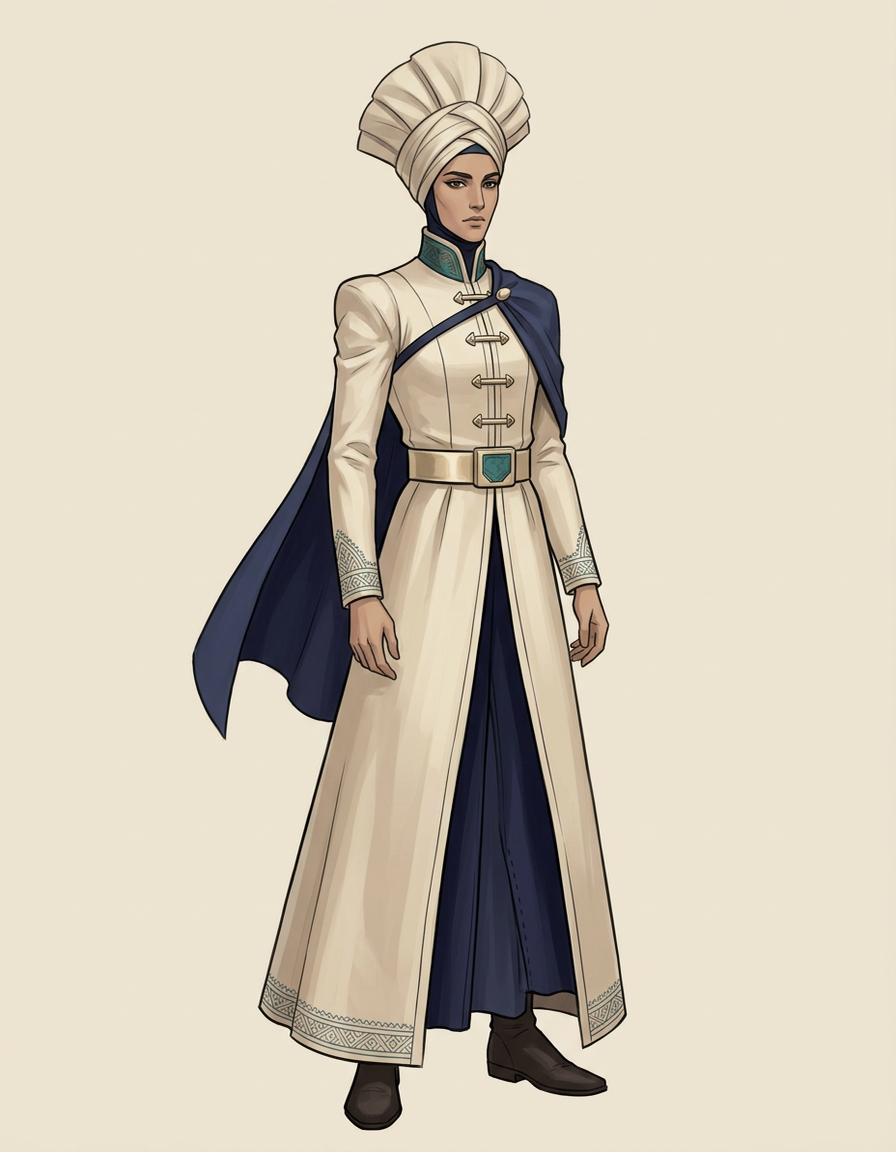
A desert noble in a long ivory coat with a midnight-indigo cape and a tall fan-shaped head wrap
Noble

Wrapped headwear, route-cloth bands and brass details tie the three together, while a tall rectangle, a broad triangle and a tapering column tell them apart at a glance.

In the middle of a boarding fight, players need to find the captain, and a single gold bar on a sleeve will not do it. Design outfits one at a time and you get the opposite problem too: a crowd of individuals with nothing in common.

List the faction and its members the way you would in a design doc, such as an ensign, a lieutenant, a captain and an admiral. Layer settles the shared look first, meaning the fabrics, the cuts, the colors and the marks of status, and then gives each member an outline of its own inside it. You do not keep a style sheet of trims and colors to paste into every request.

Start With the World, Then the Uniform

Costumes that feel inevitable come from rules the audience never sees. A desert trading people wraps the head against sun and sand, shows wealth in brass and traded cloth, and marks status in who wears what. Settle those once and each character is quicker to design and looks like it belongs somewhere. Materials need reasons: every fabric should answer the climate, the job or the economy.

A good test for your own setting is to ask what an occupier would ban. The answer is usually the garment that matters most to the culture, and a character wearing it anyway tells players what they fight for.

Rank You Can Spot Across a Deck

Outline before insignia Higher ranks gain coat length, layers and one authority piece, so the admiral is clear before any badge is.

One soft piece Keep a costume mostly rigid with a single cape or sash, so the silhouette survives a turnaround and a rig.

Room for the individual Ask for one small detail per member, like a clasp or a stitched mark, and the crew stops looking cloned.

Taking Members Further

Every member arrives as its own high-resolution image for your art team. For modeling, turn any of them into a turnaround sheet. For each member's face in every mood, see expression sheets. For cosmetics of a character you already have, see character skins.
Faction Costume Design — FAQ

How will players tell the ranks apart at game distance?+

By the outline. Higher ranks gain length, layers and an authority piece, such as a cape, a sash or a baton. A badge that is the only difference disappears once the character is a few dozen pixels tall.

What do I need to describe?+

The faction and the members you need. For a setting of your own, add the climate and what people there make and trade. The wardrobe is built from those answers, which keeps it from looking like stock fantasy or stock sci-fi.

Will a merchant and a noble look like they come from the same place?+

Yes. The shared parts, such as the head wrap, the banded cloth and the brass, are set once for the whole culture, and each role gets its own cut and palette inside them.

Will it copy real cultural symbols?+

No, by design. Layer borrows the structure of real dress, such as cloth that records rank or embroidery that marks a region, and invents the patterns themselves. If your culture is drawn from a real one, have someone from that community review the result.

Can I add more members later?+

Yes. Ask for a new rank, a new role or a poorer member of the same culture in the same conversation, and they follow the rules the set already has.

Tell the captain from the cadet at a glance

Create a free Layer account and name the faction your world needs next.